2025 Top 5 Commercial Lighting Trends You Need to Know
In the rapidly evolving landscape of commercial lighting, staying ahead of the curve is essential for businesses aiming to optimize both aesthetic appeal and energy efficiency. As per the latest report from Allied Market Research, the global commercial lighting market is projected to reach a staggering $220 billion by 2025, reflecting a compound annual growth rate (CAGR) of 6.5% from 2018 to 2025. This growth underscores the significance of adopting innovative lighting solutions that not only enhance the ambiance of commercial spaces but also contribute to sustainable practices.
The shift towards LED technology, coupled with the rise of smart lighting systems, is transforming how businesses implement their lighting strategies. According to a report by MarketsandMarkets, the smart lighting market in commercial sectors is anticipated to grow from $11.2 billion in 2020 to $30.4 billion by 2025, driven by increased demand for automated and adaptive lighting systems. As companies prioritize energy efficiency and user experience, understanding the top trends in commercial lighting becomes crucial for making informed investment decisions that align with both operational goals and environmental responsibility.
In this context, our exploration of the top five commercial lighting trends for 2025 will provide valuable insights into the technologies and strategies that can elevate your business's lighting framework. These trends are not merely aesthetic choices; they represent a significant shift towards more sustainable, adaptable, and intelligent lighting solutions that are essential for any forward-thinking enterprise.

Emerging Technologies Shaping the Future of Commercial Lighting
At SID 2025, the spotlight on Micro LED technology illustrates its transformative potential in the commercial lighting landscape. As businesses increasingly seek innovative solutions to enhance visual engagement, Micro LED's ability to deliver high brightness and superior color accuracy is making it a game-changer. According to the latest industry reports, Micro LED displays exhibit up to a 50% improvement in energy efficiency compared to traditional technologies, which is essential in reducing operating costs and environmental impact.
Moreover, the versatility of Micro LED technology allows for diverse applications, from large-scale digital signage to immersive displays in retail environments. This flexibility not only meets the demands of various commercial spaces but also aligns with the growing trend of personalized lighting experiences. Emerging projections indicate that the Micro LED market will witness a compound annual growth rate (CAGR) of over 30% through the next five years, fueled by advancements in manufacturing processes and decreasing production costs. This momentum positions Micro LED as a cornerstone of future commercial lighting innovations, promising a captivating and energy-efficient visual future.
2025 Top 5 Commercial Lighting Trends You Need to Know
Sustainable Practices in Commercial Lighting Design
Sustainable practices in commercial lighting design are increasingly vital as architects and designers seek innovative solutions to reduce environmental impact while enhancing the functionality and aesthetic appeal of spaces. With projections indicating that the sustainable lighting market could reach $17 billion globally by 2025, it's essential for businesses to adopt eco-friendly practices. A key tactic involves utilizing DarkSky approved luminaires which not only minimize light pollution but also improve energy efficiency, contributing to long-term cost savings and aligning with environmental standards.
Additionally, research highlights that sustainable lighting can positively influence the psychological well-being of individuals in commercial settings. A study conducted in coastal beach resorts revealed that the use of energy-efficient and well-designed lighting significantly enhances guest experience and satisfaction. As companies focus on creating sustainable environments, incorporating advanced technologies like LED fixtures and smart lighting controls becomes crucial. These innovations not only reduce energy consumption by up to 75% compared to traditional lighting systems but also support a broader commitment to sustainability within the diverse landscape of commercial architecture.
Smart and Connected Lighting Systems for Enhanced Efficiency
The shift towards smart and connected lighting systems is set to revolutionize the commercial lighting sector, enhancing both efficiency and user experience. According to market data, the global lighting fixture market is projected to reach $208.69 billion by 2025, with a compound annual growth rate (CAGR) of 5.1% expected to escalate to $344.17 billion by 2035. This growth is driven by the integration of Internet of Things (IoT) technologies, which enable seamless communication between lighting, heating, and security systems, thereby optimizing energy use and operational efficiency.
Moreover, the emphasis on smart lighting technology has been reflected in recent industry events, where innovations in wireless lighting and AI-enabled solutions have garnered significant attention. The demand for advanced lighting controls is evident, with desk lamp market forecasts predicting an increase from $29.49 million in 2025 to $5.515 billion by 2034, illustrating the rapid adoption of smart lighting solutions in both commercial and residential contexts. This digital transformation within the lighting industry is a critical step towards creating intelligent buildings that prioritize energy efficiency and user comfort.
Innovative Aesthetic Trends in Commercial Lighting Fixtures

As we move towards 2025, the landscape of commercial lighting is evolving, driven by innovative aesthetic trends that blend design with functionality. One significant shift is the emphasis on sustainable materials and energy-efficient technologies. According to the latest research from the American Society of Interior Designers (ASID), 72% of designers prioritize sustainability in their lighting choices, reflecting a growing demand for products that minimize environmental impact while enhancing aesthetic appeal. This means fixtures are not only becoming more visually striking but are also crafted from recycled or eco-friendly materials.
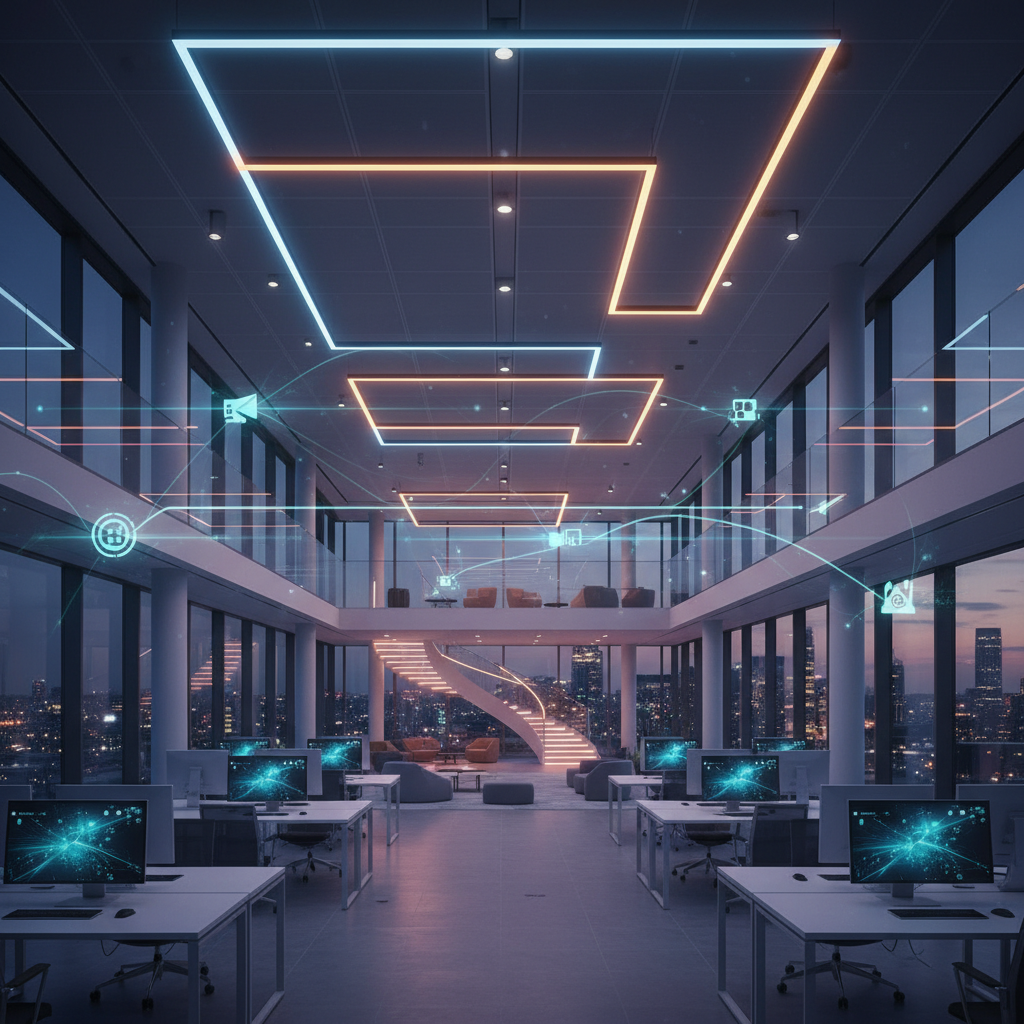
Another trend gaining traction is the integration of smart lighting systems that offer both versatility and aesthetic allure. A report from Grand View Research indicates that the smart lighting market is projected to reach $78 billion by 2025. This surge reveals that businesses are increasingly seeking lighting solutions that can be customized through smart technology, allowing for dynamic shifts in ambiance and mood throughout the day. Lighting fixtures are evolving into statement pieces, with designs that incorporate geometric shapes, bold colors, and unique textures, ultimately creating environments that resonate with both employees and customers alike.
The Impact of Human-Centric Lighting on Workplace Productivity
Human-centric lighting (HCL) is increasingly recognized for its transformative impact on workplace productivity. Research from the World Green Building Council indicates that well-designed lighting solutions can boost productivity by up to 20%. This enhancement is largely attributed to the alignment of artificial lighting with natural circadian rhythms, allowing employees to maintain their energy levels and focus throughout the day. Incorporating warmer tones during the morning and cooler, brighter lights later in the day can mimic natural sunlight, thus enhancing employee well-being and performance.
Moreover, a study by the American Society of Interior Designers revealed that 68% of employees attribute their workplace comfort to lighting quality. This suggests that investing in human-centric lighting systems is not merely an aesthetic decision, but a strategic choice that can lead to tangible improvements in employee satisfaction and retention rates. As businesses seek to enhance their work environments, prioritizing HCL will not only contribute to better productivity but also foster a healthier workplace culture, ultimately positioning organizations for long-term success.