

The 2026 Best Bright LED Lights for Wholesale Buyers guide begins with a practical question: what does “bright” mean for each project? For a warehouse, it may mean high lumen output and wide beam coverage. For a retail display, controlled glare and accurate color can matter more. The U.S. Department of Energy reports that LED products can use at least 75% less energy than incandescent lighting. They can also last many times longer. These figures explain why wholesale demand continues shifting toward efficient LED solutions.
Market research also shows a broader change. The International Energy Agency has identified lighting as responsible for roughly 15% of global electricity consumption. That makes efficiency a purchasing issue, not merely a technical preference. Meanwhile, commercial lighting reports from MarketsandMarkets continue to track growth in LED adoption across industrial, retail, and infrastructure applications. Buyers should still examine the details carefully. A low unit price can hide weak heat management, unstable drivers, or limited warranty support.
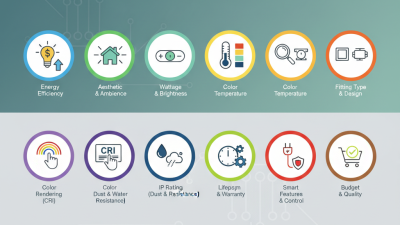
This guide evaluates Bright Led products through measurable criteria. These include lumens, efficacy, color temperature, CRI, beam angle, thermal design, driver quality, and expected operating life. Packaging consistency matters too. One damaged carton can delay an entire installation. We also consider sample testing, batch reliability, documentation, and after-sales communication. No single specification wins every project. That is the uncomfortable part. A very powerful lamp may create glare, while a cheaper model may fail under continuous operation. The best wholesale decision balances performance, safety, energy cost, supply stability, and real installation experience.
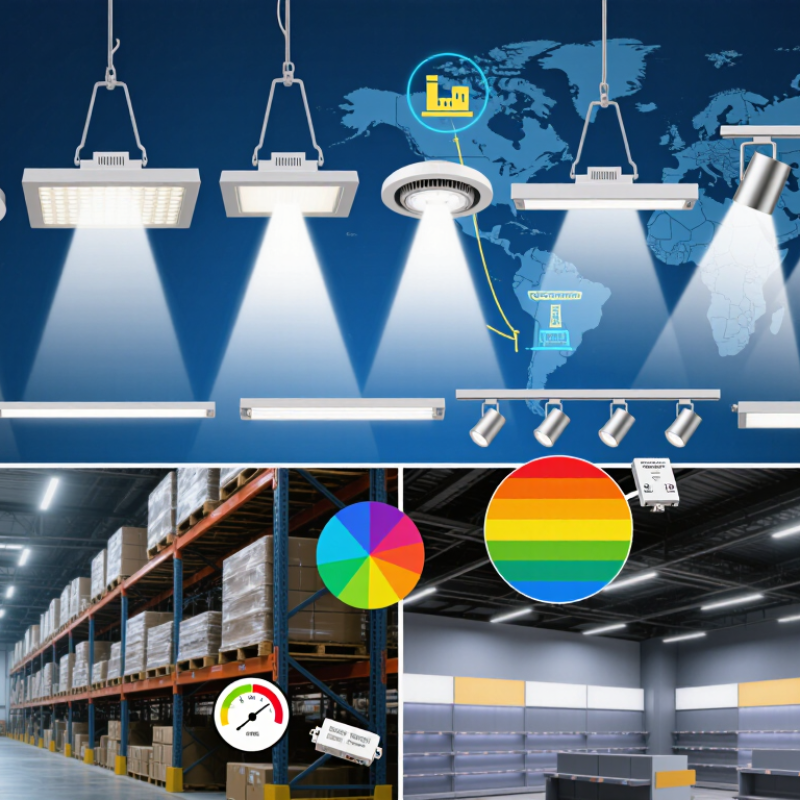
2026 Best Bright LED Lights for Wholesale Buyers
Brightness is not simply a large lumen figure printed on a carton. Wholesale buyers should compare delivered lumens, wattage, and efficacy, measured in lumens per watt. A 150-watt fixture producing 24,000 lumens performs differently from one producing 18,000 lumens. The difference appears on warehouse energy bills.
Look beyond brightness. Check color temperature, color rendering index, flicker performance, beam angle, and light maintenance. A 5,000K light may suit storage aisles, while 4,000K can feel less harsh in retail spaces. For accurate product inspection, a higher CRI is often valuable. Ask for test reports, photometric files, and the actual operating temperature used during testing.
Heat changes performance. Poorly managed LED modules may dim after long shifts, even when their initial output looks impressive. Inspect the heat sink, driver quality, power factor, surge protection, and rated operating range. IP ratings matter in dusty or damp locations, but they do not prove overall durability. Check whether performance claims follow recognized methods, such as LM-80 and TM-21 for lumen maintenance, where applicable.
A lumen number can mislead.
I have seen buyers focus on unit price and overlook replacement labor. That choice is understandable, but incomplete. Request samples, run them for several hours, and compare light levels at floor height. Some tests expose uncomfortable flicker or uneven color. Those findings deserve attention before a large order. Standards vary by market, so verify electrical, safety, and efficiency requirements with qualified local professionals.
For 2026 wholesale buyers, bright LED lights should be judged beyond raw lumen figures. A higher lumen rating does not always create better workplace visibility. Beam angle, diffuser design, mounting height, and room color can change the result. In practical warehouse checks, compare lights at the same distance and measure illumination on the actual work surface. Use a calibrated meter when possible. Guesswork gets expensive.
Efficiency and operating performance
Efficiency matters when many fixtures operate for long hours. Review lumens per watt, driver performance, heat control, and standby consumption. A cool-running housing often supports steadier output over time. Yet efficiency figures may come from laboratory conditions. Real dust, voltage changes, and high temperatures can reduce performance. I would request test reports, but I would also inspect samples personally.
Color quality and lifespan
Color quality deserves equal attention. A high color rendering index helps workers distinguish labels, materials, and surface defects. For retail or inspection areas, consistent color temperature prevents a patchwork appearance.
Lifespan claims should include lumen maintenance, not only hours before failure. Ask whether the rating reflects realistic operating temperatures. Small details matter. I once trusted an impressive lifespan figure without checking its testing method. That was a useful mistake, but a costly one.
A sound wholesale decision balances visible brightness, energy use, accurate color, and dependable long-term output.
2026 Best Bright LED Lights for Wholesale Buyers
Selecting the Best LED Light Types for Wholesale Applications
Wholesale LED buying starts with the application, not maximum brightness. A retail aisle may need even illumination, while a loading area needs wider coverage. Ask for measured lumens, wattage, beam angle, and color temperature. Rated lumens are not the same as useful light. Dust, mounting height, and diffuser loss reduce actual output. Test samples at the planned distance, not only from a catalog.
For offices and shops, 4000K light often looks neutral without feeling harsh. High CRI helps products, food, and printed colors appear more accurate. In warehouses, broad beams can reduce dark gaps between racks. Narrow optics may suit tall ceilings, but poor spacing creates bright spots. Check flicker performance and driver quality. Workers notice visual fatigue before spreadsheets do. This detail is easy to overlook.
Wholesale buyers should compare IP ratings, housing materials, thermal design, warranty terms, replacement access, and packaging strength. Request test reports, photometric files, and samples from the same production specification. A low price can hide short driver life or inconsistent color batches. Inspect several units from one carton. One perfect sample proves very little. No checklist is perfect. Some purchasing plans still overestimate brightness and underestimate installation labor. That mistake can change the real project cost.
2026 Best Bright LED Lights for Wholesale Buyers
Wholesale buyers should evaluate suppliers beyond advertised brightness. The U.S. Department of Energy reports that quality LED lighting can use at least 75% less energy than incandescent lighting and last much longer. Ask suppliers for test reports showing lumens, wattage, color temperature, beam angle, and rated life. A warehouse sample should illuminate a marked floor area evenly, without flicker or harsh glare.
Certification checks reduce costly surprises. Verify current safety documentation, electromagnetic compatibility results, photobiological safety data, and restricted-substance declarations. ENERGY STAR guidance emphasizes tested performance, efficiency, and reliability rather than packaging claims. For commercial projects, buyers can also check whether products appear on the DesignLights Consortium Qualified Products List. Documents must match the exact model, driver, and power rating. Small changes matter.
Pricing needs a wider calculation. Compare unit cost, freight, tariffs, spare units, warranty handling, and replacement drivers. A lower quote may hide inconsistent color batches or weak thermal management. Request a pilot order before committing to a container. Confirm minimum order quantity, production lead time, payment terms, carton dimensions, and inspection rights. The International Energy Agency continues to identify lighting efficiency as a major electricity-saving opportunity, but procurement data is not always perfectly comparable. My own screening would leave room for error, especially when suppliers provide incomplete lifetime assumptions. Ask for raw test results, not polished summaries.
2026 Best Bright LED Lights for Wholesale Buyers
Forecasting 2026 LED lighting trends requires more than watching brightness claims. Wholesale buyers should examine efficiency, reliability, and installation conditions. In warehouses, 4000K or 5000K light can improve visibility across tall aisles. However, excessive brightness may create glare on polished floors. That detail is often overlooked.
Commercial buyers will likely prefer LEDs with higher efficacy, smart dimming, occupancy sensors, and replaceable drivers. Modular designs can reduce maintenance costs when a component fails. Verify lumen output after testing, not only from a supplier’s datasheet. Request sample units, photometric reports, thermal test results, and warranty terms. Check performance at different temperatures. Cold storage can expose weak designs quickly.
Tips: Compare total ownership cost, not just unit price. Ask about minimum order quantities, spare components, packaging strength, and delivery schedules. Test samples in a real space for at least several days. Confirm that products meet applicable regional safety and energy requirements. Keep records of test results and batch numbers. Small details matter.
A practical 2026 buying strategy should balance bright performance with controllable energy use. Buyers may also consider recyclable housings and lower-plastic packaging. Yet sustainability claims need evidence. Forecasts can be wrong. A fashionable feature may bring little value in a dusty workshop or open loading area. Good purchasing decisions come from measured performance, clear documentation, and honest review of installation needs.
Global LED lighting market value is projected to grow steadily through 2029. For wholesale buyers, the trend supports early purchasing of high-efficiency, high-lumen products with reliable long-term demand.
Values are rounded market estimates in billions of U.S. dollars, calculated from a publicly reported 2024 LED lighting market estimate of approximately $87.1 billion and an estimated annual growth rate of about 11.2%. Recommended buying priorities for 2026 include luminous efficacy, heat management, long service life, consistent color quality, and scalable supply.
Let us help you get started with our superior LED lighting products.
Get all the latest news from BrightLED.
Copyright © Bright LED. All rights reserved.
STAY CONNECTED