2026 Top Light Beam Lamps for Global Buyers?
The 2026 market for Light Beam Lamps is becoming more technical, visual, and demanding. Global buyers now compare beam angle, lumen output, color rendering, flicker control, heat management, and service life. A narrow 15-degree beam can highlight a sculpture, while a 36-degree beam may create softer retail illumination. Small specification changes can alter an entire room.
James Turrell, a leading light artist and authority on spatial illumination, said, “Light is not so much something that reveals, as it is itself the revelation.” His observation remains valuable for buyers selecting Light Beam Lamps. The fixture should support the space, not merely produce strong brightness. Product evaluation should also include input voltage, dimming compatibility, IP protection, driver quality, warranty terms, and regional compliance documentation. Global purchasing is rarely simple. A lamp suitable for a hotel in Dubai may not suit a gallery in London or a warehouse in São Paulo.
This guide examines leading Light Beam Lamps for international buyers in 2026. It considers commercial performance, installation conditions, energy efficiency, optical precision, and long-term reliability. Real-world details matter, including glare near polished floors, color shifts on white walls, and driver noise in quiet rooms. Some rankings may remain debatable because project priorities differ. Price is not always value. High lumen output can also hide poor beam control. Buyers should verify test reports, sample units, replacement access, and local electrical requirements before ordering. The strongest choice is not always the brightest one. It is the lamp that performs consistently where people actually use it.
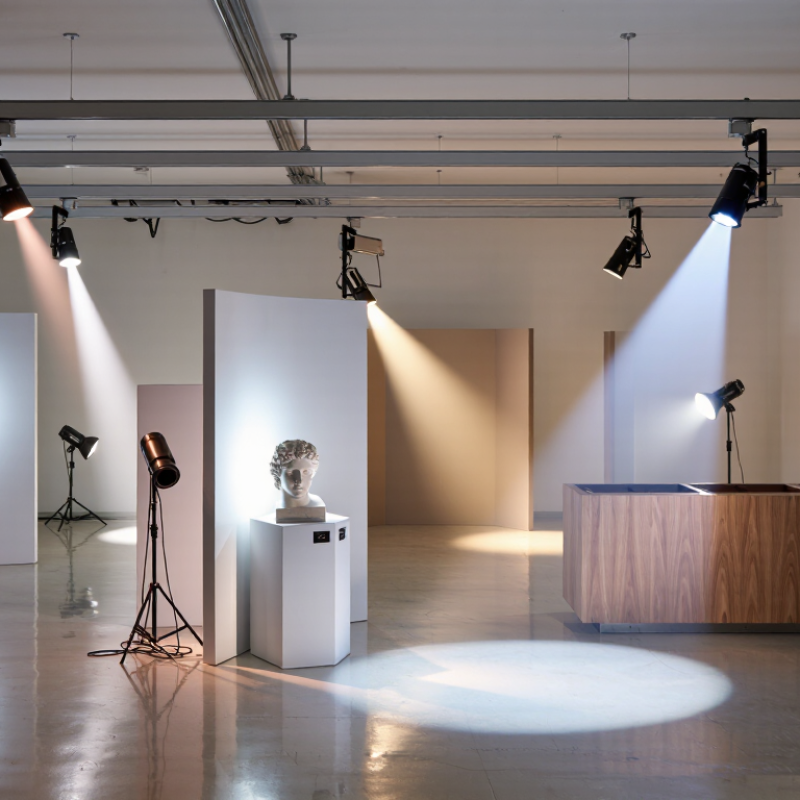
Light-Beam Lamp Basics: Beam Angles, Lumens, CCT, and CRI Benchmarks
In 2026, global buyers should judge light-beam lamps by measured performance, not attractive packaging. Beam angle controls how light spreads across a surface. Narrow beams, usually 10°–24°, create focused accents for shelves or artwork. Medium beams, around 25°–40°, suit desks and retail displays. Wide beams distribute softer light across larger areas.
Lumens indicate total light output, while beam angle affects brightness on the target. A 1,000-lumen lamp with a narrow beam can look brighter than a higher-lumen lamp with wide coverage. Check the photometric report when available. Manufacturer claims can vary. I have found that surface distance changes the result sharply, especially on dark walls.
CCT describes color appearance. Around 2700K–3000K feels warm and works well in hospitality spaces. Near 4000K supports clearer task visibility without appearing excessively blue. Daylight settings above 5000K need careful placement. CRI should reach at least 80 for general areas and 90 or higher for products, artwork, and skin tones. R9 performance also matters for strong reds, though many listings omit it. A small sample test remains useful. Real rooms are rarely perfect. Light reflected from wood, stone, or painted walls can alter the final color noticeably.
Buyer Evaluation: 20,000–50,000 Hours of LED Life and Warranty Terms
2026 Top Light Beam Lamps for Global Buyers
When I assess a light beam lamp, I treat the stated 20,000–50,000-hour LED life as a rating, not a promise. That figure often assumes controlled laboratory conditions, stable voltage, and moderate operating temperatures. In a warehouse, workshop, or outdoor site, dust and heat can reduce performance. A lamp used eight hours daily could theoretically last nearly seven to seventeen years, but its brightness may decline much earlier.
Warranty terms deserve the same attention as lumen output. Check the exact warranty period, covered components, and replacement procedure before placing an order. Some policies cover the LED module but exclude drivers, switches, batteries, or accidental damage. Confirm whether shipping costs, labor, and customs handling are included. Keep invoices, product labels, and installation records. These details can decide whether a valid claim succeeds.
I have seen buyers focus on rated life and overlook thermal design. That is an expensive mistake. Inspect the housing, heat sink, cable quality, and ventilation space. Ask for test reports showing lumen maintenance, electrical safety, and operating temperature. A clear warranty should identify the seller’s legal entity and response channel. Be cautious when the promised 50,000 hours has no testing method behind it. I would also request a sample unit before a large purchase. One real installation can reveal glare, weak seals, or unstable brightness that product photos hide. Some uncertainty remains. Specifications are useful, but field conditions tell the harder truth.
2026 Top Light Beam Lamps for Global Buyers? - Buyer Evaluation: 20,000–50,000 Hours of LED Life and Warranty Terms
| Lamp Category | Typical Power | Typical Luminous Output | Beam Angle | LED Life Rating | Typical Warranty | Common CCT | Recommended Buyer Use |
| LED Accent Spotlight | 5–20 W | 400–2,000 lm | 15°–40° | 25,000–50,000 hours | 2–5 years | 2,700–4,000 K | Retail displays, galleries, hospitality interiors |
| Adjustable Track Light | 10–35 W | 800–3,500 lm | 15°–60° | 30,000–50,000 hours | 3–5 years | 2,700–5,000 K | Shops, showrooms, museums, commercial interiors |
| Outdoor LED Floodlight | 30–200 W | 3,000–24,000 lm | 30°–120° | 30,000–50,000 hours | 3–5 years | 3,000–6,500 K | Building façades, yards, parking areas, security lighting |
| LED High-Bay Light | 80–240 W | 10,000–36,000 lm | 30°–120° | 40,000–50,000 hours | 3–5 years | 4,000–6,500 K | Warehouses, factories, sports and logistics facilities |
| LED Work Light | 10–80 W | 800–8,000 lm | 60°–120° | 20,000–30,000 hours | 1–3 years | 4,000–6,500 K | Construction, maintenance, workshops, emergency tasks |
| Portable LED Searchlight | 5–50 W | 500–5,000 lm | 5°–30° | 20,000–30,000 hours | 1–2 years | 5,000–6,500 K | Marine, outdoor inspection, rescue and field operations |
| LED Street and Area Light | 40–180 W | 5,000–25,000 lm | Type II–Type IV distributions | 50,000 hours typical | 3–5 years | 3,000–5,000 K | Roads, public areas, campuses and industrial sites |
| LED Architectural Wall Washer | 12–72 W | 900–7,000 lm | 10°–60° | 30,000–50,000 hours | 2–5 years | 2,700–6,500 K or RGB/RGBW | Façades, bridges, landscape and entertainment venues |
Buyer verification note: LED life ratings are normally based on projected lumen maintenance, commonly expressed as L70, rather than complete failure. Before purchase, request the product datasheet, LM-80/TM-21 or equivalent LED lifetime evidence where available, ingress-protection rating, operating-temperature range, driver warranty, replacement-part policy, and written warranty exclusions. Actual output, life and warranty coverage vary by design, installation conditions and operating hours.