

Made in Britain
BrightLEDBrightLED
MENUMENU
  • Home
  • Products
  • Projects
  • About
  • Blog
  • Contact
Blog
10 Best Commercial LED Lighting Suppliers Worldwide

10 Best Commercial LED Lighting Suppliers Worldwide

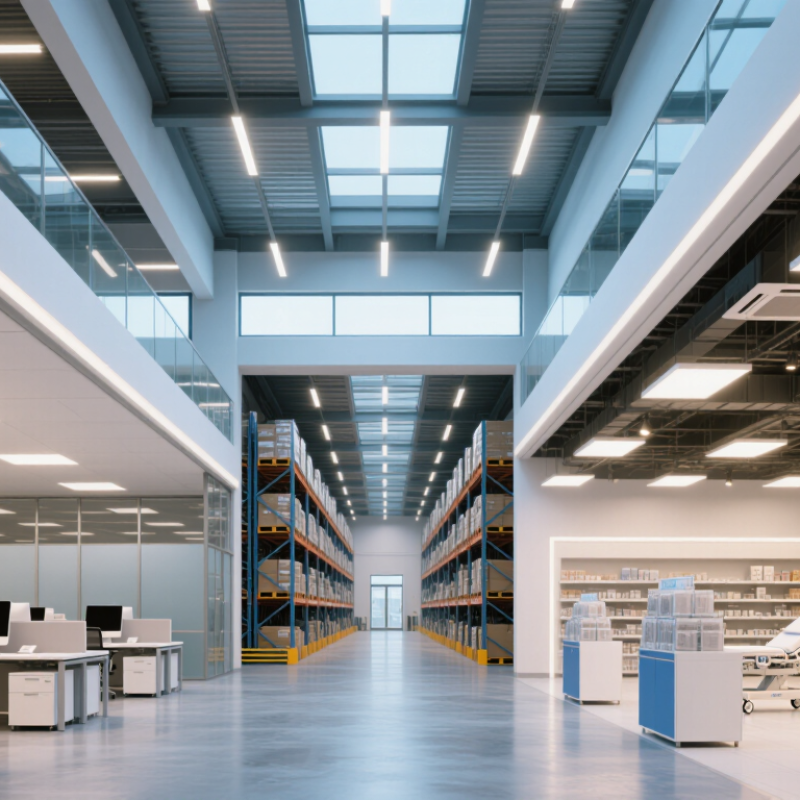
Commercial LED Lighting has become a practical energy and maintenance decision for offices, warehouses, hospitals, and retail spaces. The International Energy Agency’s Buildings report estimates that building operations used about 30% of global final energy in 2022 and produced 26% of energy-related emissions. Lighting is only one part of that footprint, but it is visible, measurable, and often upgraded during renovation. The stakes are real. A well-specified system can improve visibility while reducing power demand and relamping work. Poor optics, mismatched color temperature, or weak controls can undermine those benefits.

IEA Executive Director Fatih Birol has described energy efficiency as “the first fuel.” That principle helps explain why supplier choice matters. This guide to 10 Best Commercial LED Lighting Suppliers Worldwide will help buyers compare product ranges, documented performance, controls, warranties, and support. Look for published photometric files, clear efficacy ratings, and suitable thermal management—not just impressive lumen claims. For example, a warehouse high-bay fixture needs different distribution and mounting details than a low-glare office panel. Details matter. Supplier catalogs can make comparison easier, but they do not replace a lighting layout or a real-site trial. This shortlist is a starting point, not a promise that one brand fits every building. Regional availability, service response, and project-specific requirements still deserve careful checking. That is the less tidy truth. A lower purchase price may look attractive, yet maintenance access and product consistency can shape costs over years. The right supplier is the one whose evidence, products, and support match the space.
10 Best Commercial LED Lighting Suppliers Worldwide
Table of Contents [Hide]
1 Commercial LED Lighting: Scope, Product Types, and Global Market Context
2 IEA Benchmark: Lighting Uses About 15% of Global Electricity
3 How the 10 Suppliers Are Evaluated: Efficacy, Lifetime, Controls, and Warranty
4 Profiles of 10 Global Suppliers: Brands, Markets, and Product Portfolios
5 DOE Benchmark: LEDs Use at Least 75% Less Energy Than Incandescent Lighting

Commercial LED Lighting: Scope, Product Types, and Global Market Context

Commercial LED lighting covers fixed and connected systems used in offices, shops, warehouses, hospitals, schools, and outdoor work areas. The boundary is fuzzy. A warehouse high-bay and an office panel serve different tasks, even when both use LEDs. The International Energy Agency’s Energy Efficiency 2023 report associates lighting with about 15% of global electricity use and 5% of greenhouse-gas emissions. That makes efficient lighting relevant to both operating costs and energy planning.

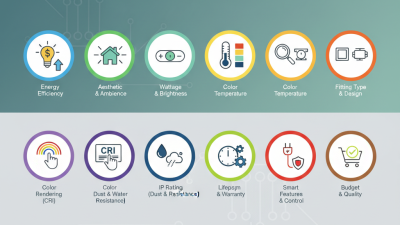
Common product types include recessed downlights, flat panels, linear fixtures, high-bays, and outdoor floodlights. Their performance depends on more than wattage. Buyers should compare light output, glare control, color temperature, dimming compatibility, and expected maintenance needs. A bright fitting can still be uncomfortable above a desk. Small details matter.

Global demand also reflects varied climates, building practices, electricity prices, and project requirements. The U.S. Department of Energy notes that many LED products are rated for 25,000 to 50,000 hours of use; actual service life depends on operating conditions and product design. Those figures are useful, not a promise. Heat, dust, switching patterns, and poor controls can shorten practical performance. Specifications alone do not tell the whole story. A site assessment helps match fixtures to ceiling height, task, and maintenance access.

10 Best Commercial LED Lighting Suppliers Worldwide - Commercial LED Lighting: Scope, Product Types, and Global Market Context

This table presents ten commercial LED supplier and product categories for worldwide sourcing comparison. It does not rank or identify individual companies or brands; specifications and availability vary by supplier, product, and market.

No. Supplier or Product Category Typical Commercial Products Common Applications Relevant Market and Procurement Context
1 General-purpose indoor lighting suppliers LED panels, linear fixtures, surface-mounted luminaires, and downlights Offices, schools, retail spaces, and public buildings Compare delivered light output, glare control, colour consistency, warranty terms, and compatibility with existing ceiling systems.
2 High-bay and industrial lighting suppliers High-bay luminaires, low-bay fixtures, and industrial linear lights Warehouses, factories, workshops, and logistics facilities Mounting height, beam distribution, operating temperature, ingress protection, and maintenance access are key selection factors.
3 Outdoor and area-lighting suppliers Floodlights, area lights, wall packs, and canopy fixtures Car parks, building perimeters, loading areas, and campuses Check weather resistance, corrosion suitability, optical distribution, local electrical requirements, and controls options.
4 Roadway and street-lighting suppliers Roadway luminaires, pedestrian-area lights, and associated controls Public roads, streets, paths, and municipal infrastructure Projects may require photometric calculations, compliance with local roadway standards, and assessment of glare and spill light.
5 Retail and display-lighting suppliers Track lights, accent spotlights, adjustable downlights, and linear display lights Shops, showrooms, galleries, and hospitality venues Colour rendering, beam angle, dimming performance, and consistency between luminaires can affect product and display appearance.
6 Emergency and life-safety lighting suppliers Emergency luminaires, exit signs, and self-contained or centrally powered units Commercial buildings, transport facilities, and public venues Confirm applicable local codes, required operating duration, testing arrangements, and documentation for the project jurisdiction.
7 Lighting-control and connected-system suppliers Dimmers, occupancy sensors, daylight sensors, gateways, and networked controls Offices, campuses, warehouses, and multi-site building portfolios Check interoperability, commissioning requirements, cybersecurity provisions, and whether controls support the intended energy-management strategy.
8 LED retrofit and replacement suppliers Replacement lamps, retrofit kits, and conversion solutions for existing fixtures Renovations and upgrades where retaining parts of the existing installation is practical Verify fixture compatibility, thermal conditions, electrical configuration, dimmer operation, and whether a retrofit affects existing approvals or warranties.
9 Custom and project-based lighting suppliers Configured luminaires, custom lengths, special optics, and project-specific assemblies Large developments, architectural projects, and specialist commercial facilities Lead times, sample approval, design support, spare-parts availability, and change-control processes are important procurement considerations.
10 Regional distributors and multi-market sourcing partners Locally stocked commercial fixtures, lamps, drivers, and lighting accessories Projects requiring regional delivery, after-sales support, or more than one product category Confirm local stock, service coverage, import and electrical compliance documentation, replacement availability, and delivery terms.

Scope note: Commercial LED lighting includes luminaires, replacement lamps, drivers, controls, emergency products, and related project services. Product selection should be based on project-specific photometric, electrical, environmental, code, and lifecycle requirements. Lumens measure light output; efficacy is commonly expressed in lumens per watt; correlated colour temperature is expressed in kelvins; and an IP rating describes protection against dust and water under defined test conditions.

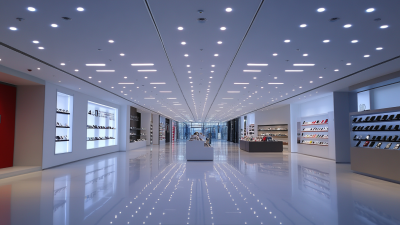
IEA Benchmark: Lighting Uses About 15% of Global Electricity

The IEA benchmark puts lighting at about 15% of global electricity use. That share makes commercial lighting a practical place to examine energy demand. In a warehouse, rows of high-bay fixtures may run through long shifts, while corridors and storage rooms can stay lit when empty. Small loads add up.

Choosing among commercial LED lighting suppliers worldwide takes more than comparing wattage or purchase price. Ask for verified photometric data, rated efficacy, color consistency, and clear warranty terms. Check whether drivers support the building’s dimming controls. A fixture that looks efficient on paper may perform poorly if its light misses work surfaces or creates glare. Useful details matter.

Controls can reduce unnecessary operating hours, but only when sensors match room use and are commissioned correctly. A meeting room sensor that switches lights off during a presentation is not a success. Nor does every space need the same color temperature or beam pattern. LED upgrades also carry manufacturing and replacement impacts, often overlooked in quick payback claims. I would want measured operating hours and maintenance records before trusting a savings estimate. The benchmark is a prompt to investigate, not a promise that every retrofit will deliver the same result.

How the 10 Suppliers Are Evaluated: Efficacy, Lifetime, Controls, and Warranty

Commercial LED suppliers should be compared using consistent, documented criteria. Efficacy, measured in lumens per watt, indicates how much light a fixture produces for its energy use. Compare figures for similar fixture types and operating conditions; otherwise, the numbers can mislead. Ask for photometric reports, not just a headline specification. A bright sample on a showroom table may perform differently in a high-ceiling warehouse. Check the math. Consider light distribution and glare alongside efficacy, since efficient light in the wrong place still wastes energy.

Rated lifetime needs careful interpretation. A stated operating life often describes when output declines to a specified level, not when every fixture fails. Request the test basis and assumptions, including hours of use and ambient temperature. Controls matter, too. Confirm compatibility with occupancy sensors, daylight dimming, and the site’s control system. Test response in a real room; overly sensitive sensors can frustrate staff. Warranty terms should clearly identify coverage periods, exclusions, and the process for replacing failed products. Read the details, not just the duration.

Tips: Compare written specifications, sample fixtures, and warranty documents side by side. Keep one detail in mind: published ratings cannot fully predict performance in your building. A small pilot installation can expose issues before a larger order.

How to evaluate suppliers: Compare efficacy within the same luminaire category, then verify rated life and warranty in the product datasheet. Check controls compatibility separately, including support for systems such as 0–10 V or DALI. Ranges shown are indicative market benchmarks, not rankings or claims about individual suppliers; actual specifications vary by product.

Profiles of 10 Global Suppliers: Brands, Markets, and Product Portfolios

A useful profile of a global commercial lighting supplier should go beyond its catalog. It should explain where the company operates, which customers it serves, and how its product range fits real projects. Some suppliers focus on high-bay fixtures for warehouses, while others offer office panels, roadway luminaires, or exterior floodlights. Details matter. A portfolio may look broad online, yet local availability, lead times, and technical support can differ by market.

Comparing ten suppliers also means checking practical specifications. Look for published lumen output, efficacy, color temperature, ingress protection, and dimming options. These details help buyers assess whether a fixture suits a loading dock, retail floor, or damp service area. Ask how products are tested and what documentation accompanies them. A supplier’s regional offices and distribution network may affect replacement parts and project scheduling. Not always. A polished profile cannot replace a sample review or a conversation with an installer. Some comparisons also remain imperfect: product names and specifications change, and public information may not show every regional variation. A careful overview should make those limits clear while showing how each supplier’s markets and product portfolio differ.

DOE Benchmark: LEDs Use at Least 75% Less Energy Than Incandescent Lighting

The U.S. Department of Energy’s Energy Saver guidance says LED lighting uses at least 75% less energy than incandescent lighting. That benchmark is useful, but commercial buildings rarely use incandescent bulbs everywhere. A warehouse, for example, may rely on high-bay fixtures for long shifts. Replacing older technology can reduce electricity demand, though actual savings depend on operating hours, fixture output, and controls.

The International Energy Agency estimates that lighting accounts for about 15% of global electricity consumption. That makes efficient fixtures a practical part of energy planning. Still, buyers should compare delivered lumens, system wattage, expected operating life, and compatibility with occupancy sensors or dimming. A low-wattage product is not automatically a good fit if it leaves work areas dim or requires more fixtures. Small details matter.

I would not treat the 75% figure as a project guarantee. It compares LEDs with incandescent lamps, not every existing commercial system. Site audits and lighting layouts can show a more realistic payback. Ask suppliers for test data and clear warranty terms. Then check the assumptions. A spreadsheet can look convincing; the installed light may feel different.

Related Posts

  • Advantages of Choosing Industrial Led Lighting for Your Business

    Advantages of Choosing Industrial Led Lighting for Your Business

  • The Evolution of Lighting Solutions with Led Fitting Technologies

    The Evolution of Lighting Solutions with Led Fitting Technologies

  • 10 Essential Tips for Choosing the Right LED Fitting for Your Home

    10 Essential Tips for Choosing the Right LED Fitting for Your Home

  • 2025 Top 5 Commercial Lighting Trends You Need to Know

    2025 Top 5 Commercial Lighting Trends You Need to Know

  • What are the Advantages of Best Commercial Led Flood Lights for Global Buyers

    What are the Advantages of Best Commercial Led Flood Lights for Global Buyers

  • Global Market Trends for Industrial Led Flood Lights in 2025 Insights and Strategies for Buyers

    Global Market Trends for Industrial Led Flood Lights in 2025 Insights and Strategies for Buyers

Blog Tags:

  • Commercial LED Lighting Fixtures
  • Commercial LED Lights
  • LED Commercial Lighting
  • Commercial LED Lighting Suppliers
  • Commercial LED Lighting Manufacturers
  • Wholesale Commercial LED Lighting

Interested? Let's talk.

Talk to the Experts

Let us help you get started with our superior LED lighting products.

Call 01282 505400

Request a call

Email us

Join our newsletter

Get all the latest news from BrightLED.

See our product range

Can't find a product you're looking for? Get in touch!

View Range

Product Categories

  • 2D Style Fitting
  • LED Downlights
  • LED Flood Lights
  • Linear Lights
  • LED Industrial Lighting
  • Office Lighting
  • Retail LED Lighting
  • Emergency Lighting
  • LED Lamps
  • LED Tube Lighting
  • Recessed LED Light
  • Spot Light Series
  • IP65 & Non-corrosive Rating LED Fittings
  • View all products

Useful Links

  • Download/Resources
  • Privacy
  • Warranty Policy
  • Terms and Conditions

Company

  • About
  • Projects
  • Contact
  • Blog
  • Made in Britain
  • Samsung
  • Osram
  • Tridonic

Copyright © Bright LED. All rights reserved.

STAY CONNECTED

Top