Best Industrial Led Lighting Options for Your Business Needs?
In today's industrial landscape, finding the right lighting solution is crucial. Industrial LED lighting has emerged as a leading choice for many businesses. It offers efficiency and longevity, which can significantly cut costs over time.
Choosing the best industrial LED lighting may seem straightforward. However, not all options suit every business's unique needs. Factors such as brightness, energy consumption, and installation play a vital role. One must also consider the environment in which the lights will be used. For example, warehouses and factories have specific requirements. Subpar lighting can lead to accidents and poor employee morale.
Reflecting on your business needs can enhance your decision-making. Ignoring the long-term benefits of industrial LED lighting may cost more than expected. Overall, selecting the right industrial LED lighting can transform your workspace while also promoting safety and efficiency.
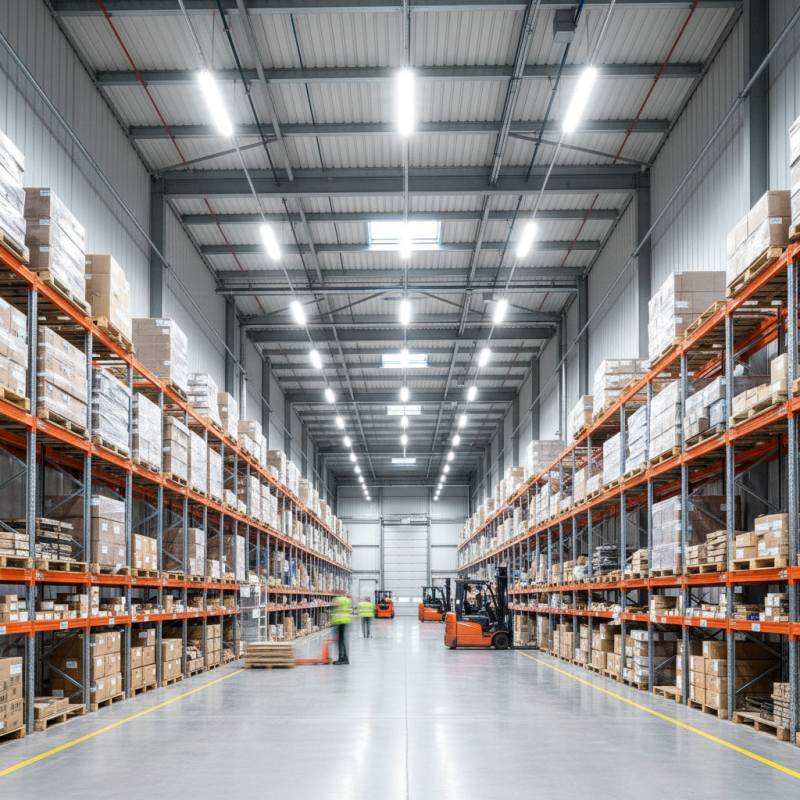
Understanding Industrial LED Lighting and Its Benefits for Businesses
Industrial LED lighting has become crucial for businesses seeking efficiency and sustainability. These lights offer high brightness with lower energy consumption. Many warehouses and factories benefit tremendously from this technology. Workers can see better, which improves safety. Environmentally, using less power is a big plus. However, the initial investment can be daunting for some companies.
Another benefit is longevity. LED lights often last longer than traditional lights. This minimizes replacements and reduces waste. Yet, some businesses struggle with the installation process. The transition can be complicated and disruptive. For smaller operations, it might feel overwhelming. Understanding the specific lighting needs of your space is important.
While LED lights are effective, they may have limitations. Different colors and intensities can affect worker productivity. Some might find bright white light harsh for long periods. Testing different options is necessary. All businesses should weigh the pro and cons carefully. Finding the right solution may take time and patience.
Best Industrial LED Lighting Options for Your Business Needs
Types of Industrial LED Lighting Solutions Available in the Market
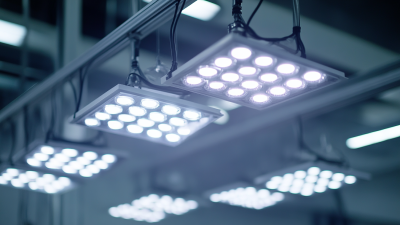
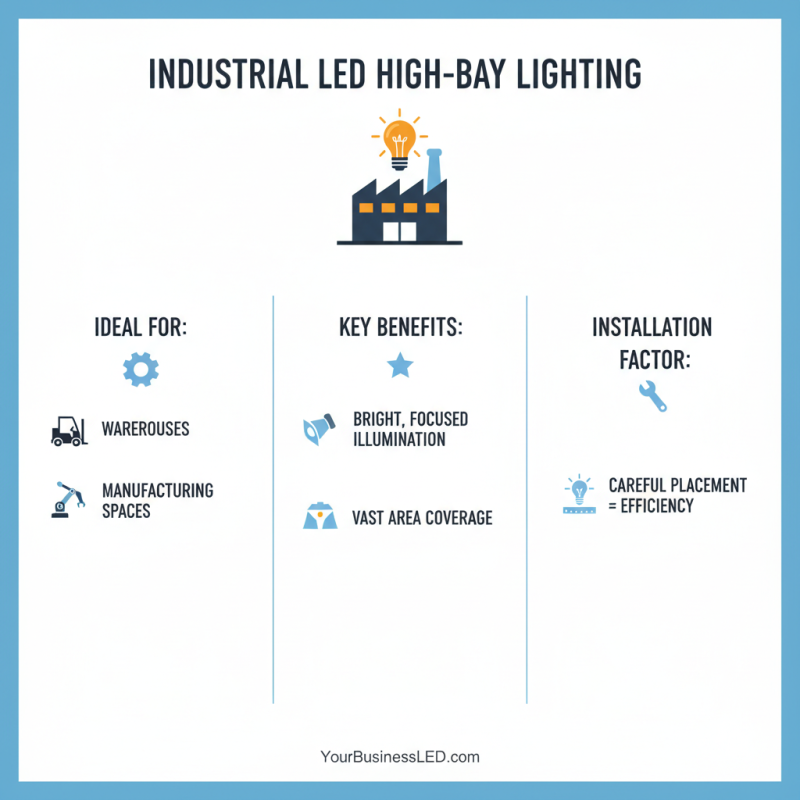
When considering industrial LED lighting solutions, various types are available to meet specific business needs. High bay lights are ideal for warehouses and manufacturing spaces. They provide bright, focused illumination and can cover vast areas. This type of lighting often requires careful installation, as placement affects efficiency.
Another option is flood lights, perfect for outdoor areas. They offer powerful light that enhances security and visibility. However, using flood lights can lead to light pollution if not positioned correctly. A reflective ceiling can also bounce light down, increasing brightness but needs to be assessed for effectiveness.
Task lighting targets specific work areas, which is essential in factories or workshops. It helps reduce eye strain and improve productivity. Yet, it may not cover the entire space adequately, leading to shadows in some corners. Each type of lighting has its benefits and limitations, making it crucial to evaluate your specific needs for optimal results.
Factors to Consider When Choosing LED Lighting for Your Business
When selecting LED lighting for your business, several factors must be considered. The brightness level of the LED lights is crucial. Depending on your operational space, high-lumen output may be necessary for adequate visibility. Many warehouses require at least 100 lumens per square foot. Additionally, color temperature plays a key role. A temperature around 5000 Kelvin mimics daylight, promoting productivity.
Tips: Assess your space's specific needs. Always consider the layout and operational activities when choosing lighting.
Energy efficiency is another pivotal aspect. According to the U.S. Department of Energy, LED lights consume up to 75% less energy than traditional lighting. This reduction translates into substantial savings over time. However, initial costs of LED lighting can be high. Balancing upfront costs with long-term savings requires careful analysis.
Tips: Calculate your return on investment. Knowing how long it takes for savings to exceed costs is vital.
Lastly, consider the lifespan of the LEDs. High-quality LEDs can last over 50,000 hours, far exceeding other options. However, not all products are created equal. Some may have lower quality components, leading to shorter lifespans. Always read reviews and research reliability.
Tips: Test a smaller batch of lights before a full installation. This approach helps identify any issues early.
Comparative Analysis of Popular Industrial LED Lighting Brands
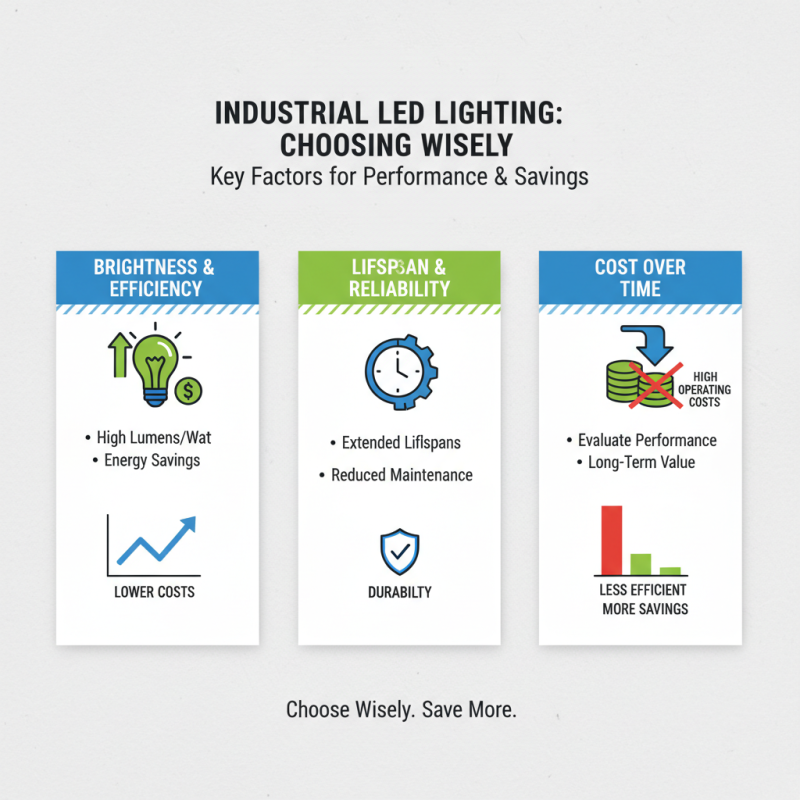
When choosing the right industrial LED lighting, there are many brands available, each with unique features. It's crucial to evaluate their performance based on brightness and energy efficiency. Some models offer high lumens per watt and extended lifespans. Others might lack such efficiency, leading to higher operational costs over time.
Design and durability are also important factors. Different environments require specific designs; for example, some settings need waterproof fixtures, while others may prioritize heat resistance. It's vital to assess how these features align with your business's specific needs. A quick inspection may reveal that certain brands offer enhanced resilience, yet they might not provide better illumination.
Additionally, consider the return on investment. Some options have a higher initial cost but reduce energy usage significantly. Other choices may seem cheaper upfront but can require frequent replacements. Understanding the long-term implications is essential, yet many businesses overlook this. Balancing upfront costs with future savings is a task that demands careful thought.
Installation and Maintenance Best Practices for LED Lighting Systems
Installing LED lighting systems requires attention to detail. Proper installation ensures safety and efficiency. According to a study by the Department of Energy, businesses can reduce energy consumption by 40% with well-installed LED systems. Professional installation is key. It minimizes issues like flickering and uneven lighting.
Routine maintenance is equally crucial. Regularly check for dust and debris, as they can block light output. A report from the Illuminating Engineering Society suggests that cleaning fixtures every six months can enhance performance by up to 20%. Some managers overlook light levels during maintenance checks. This is a mistake. Maintaining optimum light levels improves productivity.
Consider the lifespan of LEDs too. They can last up to 50,000 hours, but improper handling during installation can shorten this. Documenting maintenance routines helps track changes over time. Lighting design should never be static. Businesses must adapt as their needs evolve. Re-evaluating lighting layout every few years can lead to enhancements that save energy and costs.
Best Industrial Led Lighting Options for Your Business Needs
| Lighting Type |
Efficiency (lm/W) |
Lifespan (hours) |
Installation Cost ($) |
Maintenance Frequency (years) |
| High Bay LED |
120 |
50,000 |
200 |
5 |
| Flood LED |
100 |
50,000 |
150 |
5 |
| Panel LED |
90 |
50,000 |
120 |
7 |
| Street LED |
110 |
100,000 |
250 |
10 |
| Shop Light LED |
95 |
50,000 |
80 |
6 |