15 Best Recessed LED Lighting Ideas for Modern Home Interiors
When designing modern home interiors, the importance of effective lighting cannot be overstated. Among the various lighting options available, recessed LED lighting stands out for its ability to provide both functionality and aesthetic appeal. As lighting expert Sarah Johnson points out, "Recessed LED lighting transforms spaces by offering seamless illumination while maximizing design flexibility." This innovation allows homeowners to create a clean, uncluttered look, highlighting architectural features and enhancing the overall atmosphere of a room.
Incorporating recessed LED lighting into your home design can dramatically elevate its interior while ensuring energy efficiency. Whether you are looking to create a cozy ambiance in your living room or sophisticated task lighting in your kitchen, there is a myriad of creative ways to integrate recessed fixtures. Ultimately, the versatility and subtlety of recessed LED lighting make it a popular choice for today's modern homeowners seeking elegance and functionality in their living spaces. As we explore the best ideas for using recessed LED lighting, you will discover how this lighting technique can bring your home to life, striking the perfect balance between style and practicality.
Understanding Recessed LED Lighting: Key Features and Benefits
Recessed LED lighting has quickly become a staple in modern home interiors, thanks to its sleek design and multiple functional benefits. One of the primary features of recessed LED fixtures is their ability to blend seamlessly into ceilings, creating a clean and uncluttered aesthetic. This sleek integration allows homeowners to highlight architectural elements and maintain open sight lines. Additionally, recessed LED lights come in various shapes, sizes, and color temperatures, making them versatile enough to complement a range of design styles, from contemporary to traditional.
Beyond aesthetics, the energy efficiency of recessed LED lighting sets it apart from traditional lighting options. LEDs consume significantly less electricity and have a longer lifespan, which translates to reduced energy bills and lower maintenance needs. Furthermore, they produce less heat, making them safer and more comfortable in living spaces. Their directional illumination allows for precise lighting control, ideal for accentuating artwork or optimizing task lighting in specific areas, such as kitchens and workspaces. With these features, recessed LED lighting not only enhances the ambiance of a home but also promotes eco-friendly living.
15 Best Recessed LED Lighting Ideas for Modern Home Interiors
| Design Style |
Room Type |
Key Features |
Benefits |
| Minimalist |
Living Room |
Sleek, streamlined design |
Maximizes space and light |
| Industrial |
Kitchen |
Exposed fixtures with metallic finish |
Enhances modern aesthetics |
| Scandinavian |
Bedroom |
Soft, warm light |
Creates a cozy atmosphere |
| Contemporary |
Bathroom |
Dimmer switches, recessed without housing |
Flexible lighting options |
| Rustic |
Dining Room |
Natural materials with a warm glow |
Inviting dining experiences |
| Modern Farmhouse |
Hallway |
Soft edges with vintage look |
Balances contemporary and classic |
| Art Deco |
Home Office |
Geometric patterns in lighting |
Adds a luxurious touch |
| Eclectic |
Creative Space |
Variety of recessed designs |
Unique and personalized style |
| Mid-Century Modern |
Library |
Integrated with furniture designs |
Seamless aesthetic |
| Zen |
Meditation Room |
Soft diffused light |
Promotes relaxation |
| Luxury |
Theater Room |
Smart control lighting systems |
Enhanced viewing experience |
| Coastal |
Sunroom |
Bright, airy lighting |
Invites the outdoors inside |
| Nautical |
Bathroom |
Marine-inspired lighting fixtures |
Creates a refreshing vibe |
| Futuristic |
Tech Room |
LED strips with programmable colors |
Adaptable to mood and activity |
Choosing the Right Placement for Recessed LED Lighting in Home Design
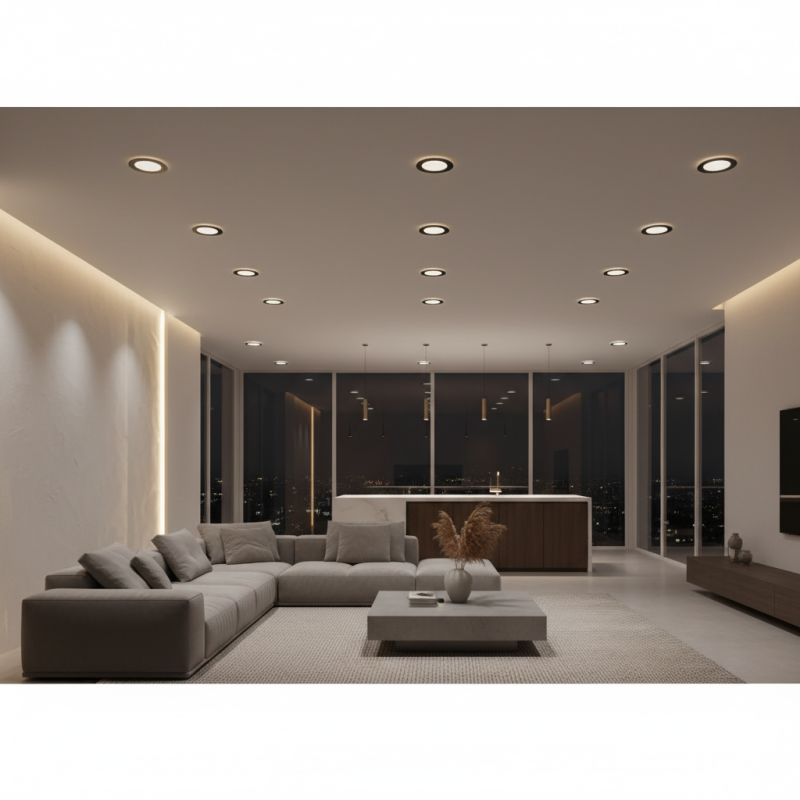
When incorporating recessed LED lighting into modern home interiors, strategic placement is essential for maximizing both functionality and aesthetics. One effective approach is to highlight architectural features or design elements, such as a coffered ceiling or a gallery wall. Placing recessed lights in a staggered pattern along these areas can create depth and visual interest, drawing the eye and enhancing the overall ambiance of the space. In living areas, for instance, centering the lights above seating arrangements not only provides ample illumination for social interactions but also sets a warm, inviting tone.
In spaces like kitchens and bathrooms, careful placement of recessed lights can significantly improve both lighting quality and efficiency. Installing lights directly above countertops and work areas ensures that tasks are performed with clarity and safety. Additionally, using dimmers allows residents to adjust the brightness according to their needs, whether for cooking, relaxing, or entertaining. Another important consideration is the spacing between fixtures, which typically should be about four to six feet apart to avoid harsh shadows and evenly distribute light throughout the area. By being deliberate about where recessed LED lights are installed, homeowners can create a cohesive and modern interior that enhances their daily living experience.
Recessed LED Lighting Ideas in Modern Home Interiors
Popular Styles of Recessed LED Fixtures for Modern Interiors
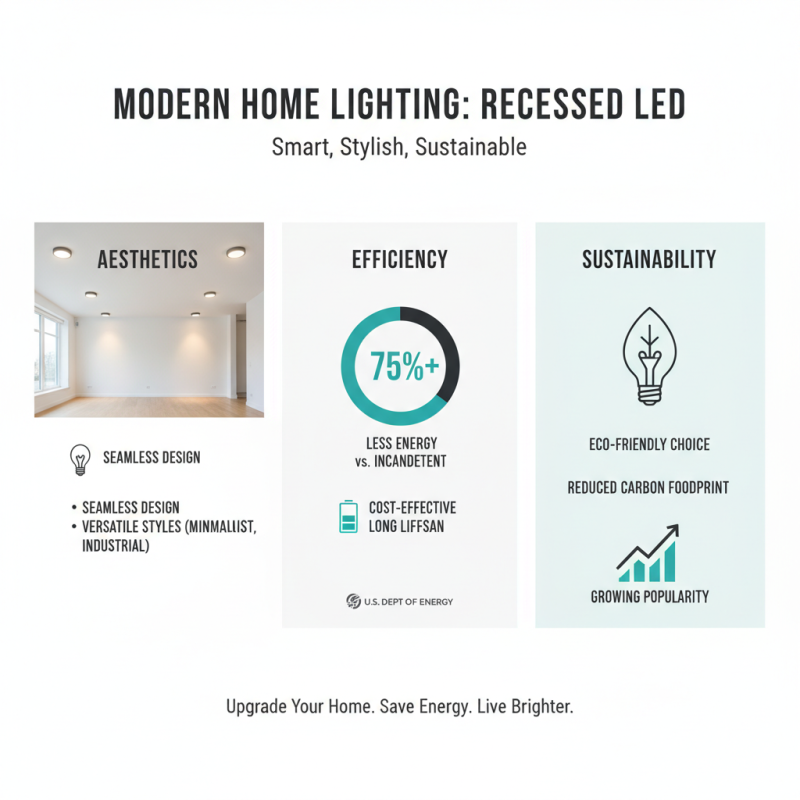
When considering modern home interiors, recessed LED lighting has become a go-to choice for both functionality and aesthetics. The versatility of recessed fixtures allows them to blend seamlessly into a variety of styles, from minimalist to industrial chic. A report from the U.S. Department of Energy indicates that LED lighting typically consumes at least 75% less energy than traditional incandescent lighting, making it not only an eco-friendly option but also a cost-effective one over time. As homeowners increasingly prioritize sustainability, the popularity of recessed LED fixtures continues to rise.
Popular styles of recessed LED fixtures include ultra-slim designs, which provide a sleek look for low ceilings, and adjustable models that allow for targeted lighting in key areas, such as artwork displays or reading nooks. A recent analysis by the American Lighting Association highlighted that adjustable recessed lights have seen a 30% increase in demand, as homeowners seek to enhance their living spaces with personalized lighting solutions. Furthermore, color-tunable recessed LEDs are becoming prevalent, enabling users to customize the ambiance of their rooms by changing the color temperature to suit different occasions. As innovations in LED technology persist, the emergence of smart recessed lighting solutions is expected to further transform modern interiors, integrating seamlessly with automation systems for enhanced control and energy efficiency.
Enhancing Aesthetics: How to Use Recessed Lighting for Mood and Ambiance
Recessed lighting has become an essential element in modern home interiors, enhancing aesthetics while providing functional illumination. According to the American Lighting Association, over 70% of homeowners are now opting for recessed lighting due to its ability to create a clean and contemporary look. These fixtures blend seamlessly into ceilings, allowing for a minimalist design that does not compromise on style. By strategically placing recessed lights, one can highlight design features and create a dynamically appealing interplay of light and shadow.
The use of recessed lighting can significantly impact mood and ambiance within a space. A study conducted by the Lighting Research Center reveals that proper lighting design can increase productivity by 20% and enhance overall well-being. For instance, using dimmable recessed lights allows for versatility in brightness, enabling homeowners to tailor the lighting to match the mood of the moment—whether it's a bright, energizing light for a dinner party or a soft, soothing glow for a cozy evening. Additionally, the color temperature of LED recessed lights can be adjusted to evoke different feelings; warmer tones create a welcoming atmosphere, while cooler tones promote alertness and focus.
Incorporating recessed lighting into modern interiors not only boosts aesthetic appeal but also helps in defining spaces and enhancing overall atmosphere, making it a vital component in contemporary interior design. By understanding the subtle effects of light manipulation, homeowners can transform their living environments into spaces that truly reflect their desired moods.
Energy Efficiency and Cost Savings with Recessed LED Lighting Solutions
Recessed LED lighting has become a staple in modern home interiors, not only for its sleek appearance but also for its energy efficiency and cost-saving potential. By consuming significantly less energy than traditional light bulbs, LEDs contribute to lower electricity bills and reduced carbon footprints. This efficiency does not compromise the quality of light, as LED fixtures provide bright, vibrant illumination that enhances the ambiance of any space. Homeowners can enjoy beautifully lit rooms while also making a responsible choice for the environment.
When integrating recessed LED lighting into your home, consider the placement and design to enhance both function and aesthetics. One tip is to space the fixtures evenly to create a balanced light distribution, which ensures that no areas are overly dim or brightly lit. Additionally, using dimmable LED options can add versatility to your lighting scheme, allowing you to adjust the brightness according to different activities or moods. Combining recessed lighting with other fixtures, like pendant lights or wall sconces, can also create a layered lighting effect that adds depth to your interiors.
Another aspect to consider is the life span of LED bulbs; they can last up to 25,000 hours, meaning less frequent replacements and further savings over time. By selecting high-quality fixtures and properly installing them, you can maximize your investment in recessed lighting, achieving a stylish and sustainable illumination solution that benefits both your home and your budget.