Color Changing Lights How Do They Work and Their Benefits?
Color-Changing Lights have become increasingly popular in both residential and commercial spaces. Their versatility and unique aesthetic appeal captivate many consumers. According to a recent report by Market Research Future, the color-changing LED market is projected to grow significantly, reaching a value of approximately $10 billion by 2025. This rapid expansion highlights the increasing interest in innovative lighting solutions.
These lights not only provide an attractive ambiance but also offer energy efficiency. Research shows that color-changing LEDs use up to 80% less energy compared to traditional incandescent bulbs. Yet, reliance on these technologies can lead to over-dependency, as some users may prioritize visual appeal over functionality. Balancing aesthetics with practical use can be challenging.
The integration of color-changing lights into daily life also encourages creativity and personalization. However, users should reflect on their usage. Are we leveraging technology to enhance well-being, or simply following trends? Exploring both benefits and pitfalls of these lights can lead to more thoughtful choices. Understanding how to effectively implement color-changing lights can lead to brighter and smarter spaces.
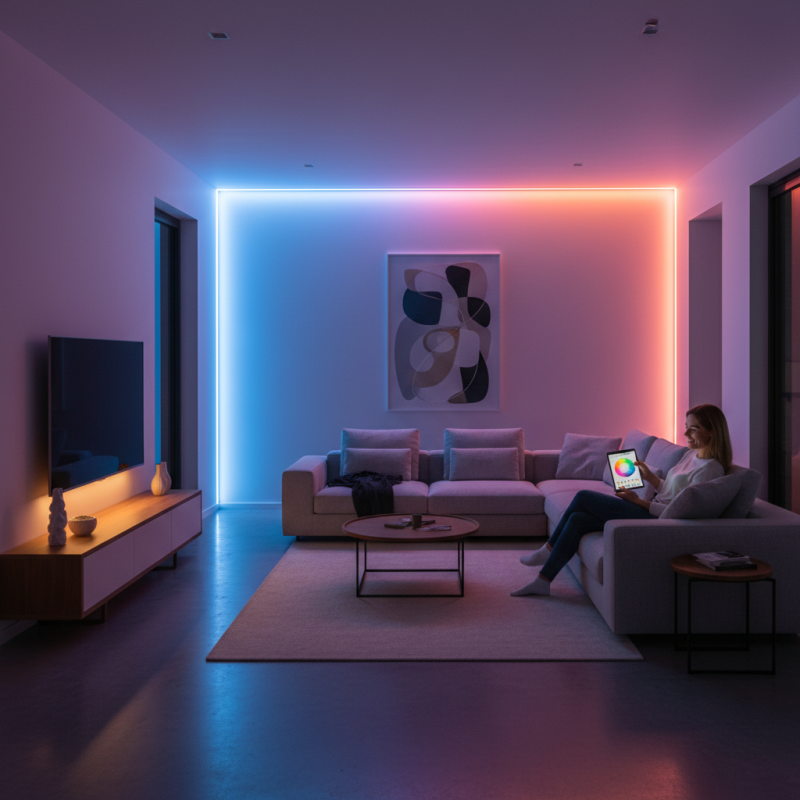
What Are Color Changing Lights and How Do They Function?
Color changing lights are becoming increasingly popular in various settings. These lights can shift colors, creating different ambiances. This technology primarily uses LED systems to achieve color variations. According to a report by IDTechEx, the LED lighting market is expected to reach around $30 billion by 2025, largely driven by such innovations.
Functionally, color changing lights work through RGB (red, green, blue) combinations. By adjusting the intensity of these three colors, a myriad of hues can be generated. Users can often control these lights via apps or remote controls. However, there can be issues with compatibility and connectivity. Some models may require updates to function smoothly.
Benefits of color changing lights include mood enhancement and energy efficiency. Studies indicate that colored lights can influence emotions significantly. For instance, blue tones may promote calmness, while warmer colors can be stimulating. Yet, one must consider that overuse of certain colors could lead to overstimulation. It's crucial to strike a balance for optimal lighting effects.
The Technology Behind Color Changing Lights: An Overview
Color changing lights use LED technology to deliver dynamic lighting experiences. The core principle lies in the ability to mix different colors. By adjusting the intensity of red, green, and blue LEDs, a vast spectrum of colors is created. According to a recent report by the International Lighting Committee, this technology has grown by over 30% in popularity in the last five years. Notably, 85% of consumers appreciate the customizable aspects of these lights.
The efficiency of color changing lights is another significant advantage. They consume up to 80% less energy than traditional incandescent bulbs. This efficiency aligns with the growing trend towards sustainability in lighting solutions. A study from the Energy Efficiency Agency indicates that the shift to LED technology could reduce global electricity consumption by 18%. However, some users report issues with color consistency. Others note that certain settings may not deliver the desired effect.
Moreover, the emotional impacts of changing colors are profound. Different colors can evoke various feelings. Blue hues often bring calmness, while reds energize. Research shows that 70% of consumers use these lights to enhance their mood. Yet, there remains a gap in understanding how color preferences vary among individuals. More insights could lead to better user experiences.
Common Types of Color Changing Lights Available on the Market
Color changing lights come in various types, each offering unique features and benefits. One common type is LED lights. They are energy-efficient and long-lasting. Many people enjoy adjusting their colors to match their mood or décor. These lights can create a warm, inviting atmosphere or a vibrant party vibe.
Another popular option is smart bulbs. They can be controlled through apps or voice commands. This adds convenience and versatility to your lighting. You can schedule them to change colors at specific times. However, some might find the setup process a bit complicated. The user experience may vary, which can be frustrating.
Then there are color-changing strips. These flexible lights can be placed almost anywhere. They are great for accents. The choices are endless with customizable lengths and colors. However, installation may require adhesive strips, which sometimes don’t stick well. Some users might find the quality inconsistent. This can require trial and error for the perfect setup.
Benefits of Using Color Changing Lights in Various Environments
Color changing lights bring a versatile touch to various environments. Their adaptability can transform spaces from vibrant to serene. In homes, these lights can set the mood for relaxation or energy. Imagine warm hues for a calming evening or bright colors for a lively gathering.
In offices, color changing lights can influence productivity. Blues and greens create a focused atmosphere. Red can enhance energy levels. However, too much color might be distracting. Finding the right balance is key.
Here are a few tips: Experiment with different settings. Observe how colors impact your mood. Consider dimming the lights for a softer effect. Don’t hesitate to make adjustments. Sometimes, a small tweak makes a big difference in ambiance.
Benefits of Using Color Changing Lights in Various Environments
Practical Applications of Color Changing Lights in Daily Life
Color changing lights are becoming increasingly popular in homes and businesses. These versatile lights can create different atmospheres, enhancing the overall environment. For example, they are often used in living rooms to set a cozy mood during movie nights. In restaurants, shifting light colors can influence customers' moods and enhance their dining experience.
In daily life, color changing lights have practical applications. People use them for relaxation or revitalization. For instance, a blue hue can promote calmness, while green can improve concentration. Many individuals install these lights in their bedrooms to create a soothing bedtime routine. However, some might struggle to find the right color for their specific needs. It's a trial-and-error process that requires reflection and adjustment.
Additionally, these lights offer creative solutions for events or parties. A simple change in color can transform spaces. Some people may find it overwhelming to choose the perfect scheme. It’s essential to experiment and discover what feels right. Setting the right ambiance can be challenging but rewarding when done correctly.