10 Essential Tips for Choosing the Right LED Fitting for Your Home
Choosing the right LED fitting for your home can significantly influence not only the aesthetic appeal of your living space but also its energy efficiency. According to John Brightman, a renowned expert in the LED industry, "The right LED fitting not only illuminates a room but can transform the entire atmosphere of your home." This highlights the importance of making informed decisions when selecting LED fittings, as they are more than just functional items; they play a crucial role in creating a desired ambience.
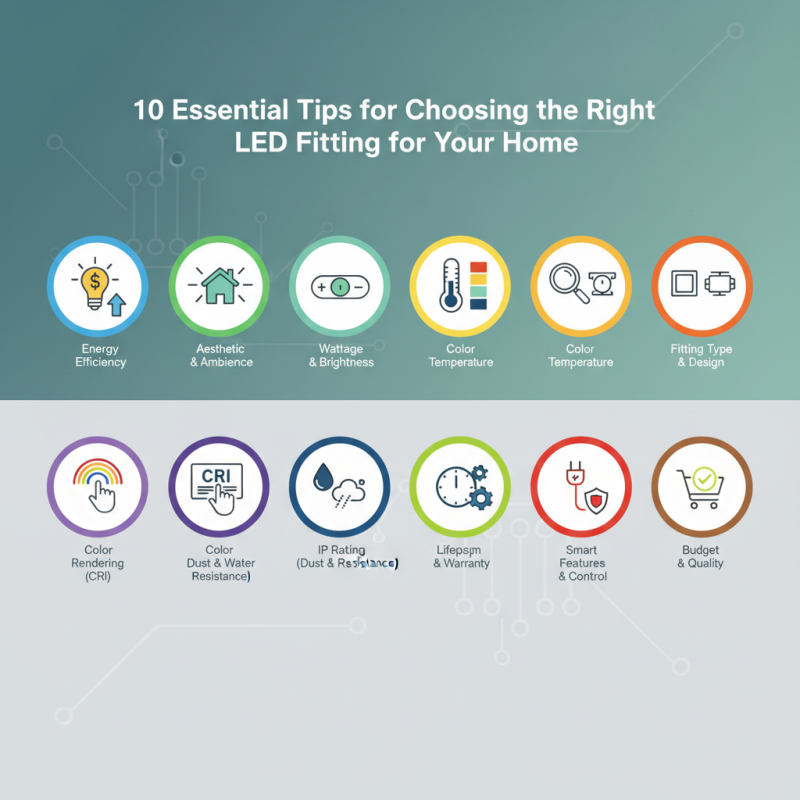
As the demand for energy-efficient lighting solutions continues to grow, it becomes essential for homeowners to understand the various aspects involved in selecting LED fittings. From understanding wattage and brightness to choosing the right color temperature, the choices can be overwhelming. However, by following essential tips and insights from industry experts, anyone can navigate through the myriad of options available in the market, ensuring their home is both stylishly lit and energy-efficient. In this guide, we will explore ten essential tips that can aid you in making the best choice for your space, ultimately leading to a more sustainable and aesthetically pleasing home environment.
Understanding Different Types of LED Fittings Available for Home Use
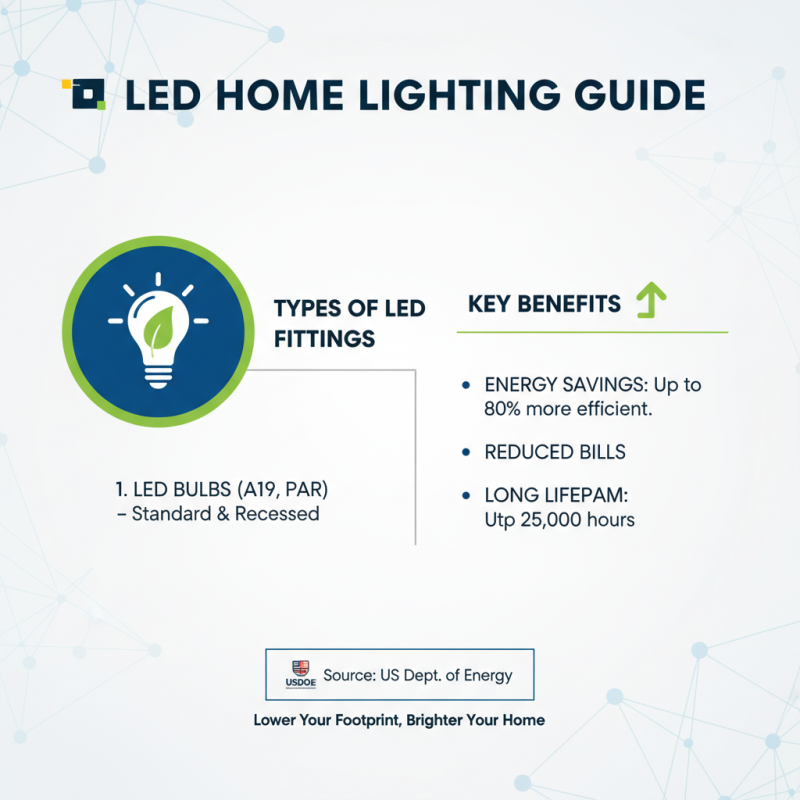
When selecting LED fittings for home use, it’s important to understand the different types available in the market, each designed to meet specific lighting needs. One of the most common types is the LED bulb, which comes in various shapes and sizes, including A19 and PAR, making them suitable for standard fixtures and recessed lighting. According to a report by the U.S. Department of Energy, LEDs offer significant energy savings, with efficiency rates of up to 80% compared to traditional incandescent bulbs. This not only reduces energy bills but also extends the lifespan of the fittings, with some LED bulbs lasting up to 25,000 hours.
Another popular option is LED strip lights, which provide flexibility in installation and can be used for accent lighting, under-cabinet lighting, or even for decorative purposes. These strips are available in varying brightness levels and color temperatures, allowing homeowners to customize their lighting ambiance. Research indicates that the global LED lighting market is expected to grow at a compound annual growth rate (CAGR) of over 13% from 2021 to 2028, underscoring the increasing preference for LED technology in residential settings. Understanding these variations can help homeowners make informed decisions when selecting fittings that enhance both functionality and aesthetics in their living spaces.
Assessing the Right Brightness Level for Your Living Space Needs
When selecting the right LED fitting for your home, one of the most crucial factors to consider is the brightness level, measured in lumens. The brightness required can vary significantly from room to room, depending on the activities that take place in those spaces. For example, areas like kitchens or home offices benefit from higher brightness levels to facilitate detailed tasks, while living rooms or bedrooms may require softer, more ambient lighting to create a cozy atmosphere. Understanding the specific needs of each space will guide you in choosing the right lumen output for your LED fittings.
Additionally, the color temperature of the LED light plays a significant role in how the brightness is perceived and how it affects the mood of the room. Measured in Kelvin (K), color temperatures lower than 3000K provide a warm, inviting glow, perfect for relaxation areas, while temperatures above 5000K produce a cooler, more energizing light suitable for workspaces. Striking the right balance between lumens and color temperature not only enhances functionality but also contributes to the overall aesthetic of your home. Consider using dimmable LEDs to maintain flexibility in brightness, allowing you to adjust the lighting according to your needs and preferences throughout the day.
Brightness Levels for Various Living Spaces
Evaluating Energy Efficiency Ratings and Their Importance
When selecting LED fittings for your home, understanding energy efficiency ratings is crucial. These ratings, typically represented by lumens per watt, provide insight into how much light a fitting produces relative to the energy it consumes. High ratings indicate more efficient products, allowing you to achieve the desired brightness while keeping energy costs low.
For homeowners looking to reduce their carbon footprint, choosing LED products with higher efficiency ratings is an important decision that can lead to substantial energy savings over time.
Moreover, energy efficiency ratings often guide consumers in navigating the myriad options available in the market. These ratings are often accompanied by labels that detail not only the wattage used but also the estimated annual energy cost, and the lifespan of the fitting. By comparing these figures, you can make more informed decisions that align with both your lighting needs and environmental considerations. This approach not only helps in lowering electricity bills but also contributes toward overall sustainability efforts in home improvement.
Considering the Color Temperature for Desired Ambiance
When selecting LED fittings for your home, one of the most important factors to consider is the color temperature, which significantly influences the ambiance of your space. Measured in Kelvin (K), color temperature can vary widely, affecting the mood and function of each room. Warm white lights, typically around 2700K to 3000K, create a cozy and inviting atmosphere, making them ideal for living rooms and bedrooms. These tones mimic traditional incandescent bulbs and are perfect for spaces where relaxation and comfort are desired.
On the other hand, cooler white lights, ranging from 4000K to 5000K, provide a brighter and more energetic environment, suitable for areas like kitchens and home offices. These lights enhance focus and productivity, making them ideal for tasks that require attention to detail. When choosing the appropriate color temperature, it’s also essential to consider the purpose of the room and the existing decor. By combining different color temperatures throughout your home, you can tailor the lighting to perfectly match each space's function and mood, creating a harmonious living environment.
10 Essential Tips for Choosing the Right LED Fitting for Your Home - Considering the Color Temperature for Desired Ambiance
| Tip Number |
Tip Description |
Recommended Color Temperature (Kelvin) |
Recommended Usage |
| 1 |
Consider the room's purpose to determine the appropriate mood. |
2700K - 3000K |
Living rooms, bedrooms |
| 2 |
Use cooler white light for task-oriented spaces like kitchens. |
4000K - 5000K |
Kitchens, offices |
| 3 |
Opt for warmer tones in dining areas for a cozy feel. |
3000K |
Dining rooms |
| 4 |
Consider natural daylight replication in spaces where you want to feel energized. |
5000K - 6500K |
Workspaces, garages |
| 5 |
Use dimmable LEDs for flexibility in creating ambiance. |
N/A |
Various rooms |
| 6 |
Choose bulbs based on fixture compatibility for the best performance. |
N/A |
All rooms |
| 7 |
Assess the color rendering index (CRI) for true color representation. |
Above 80 |
Living areas, art studios |
| 8 |
Match the color temperature to your existing furnishings to enhance decor. |
2700K - 4000K |
Living rooms, bedrooms |
| 9 |
Consider energy efficiency to reduce utility bills. |
N/A |
All rooms |
| 10 |
Research product reviews for quality assurance. |
N/A |
All rooms |
Compatibility with Existing Fixtures and Dimmers: Key Factors to Note
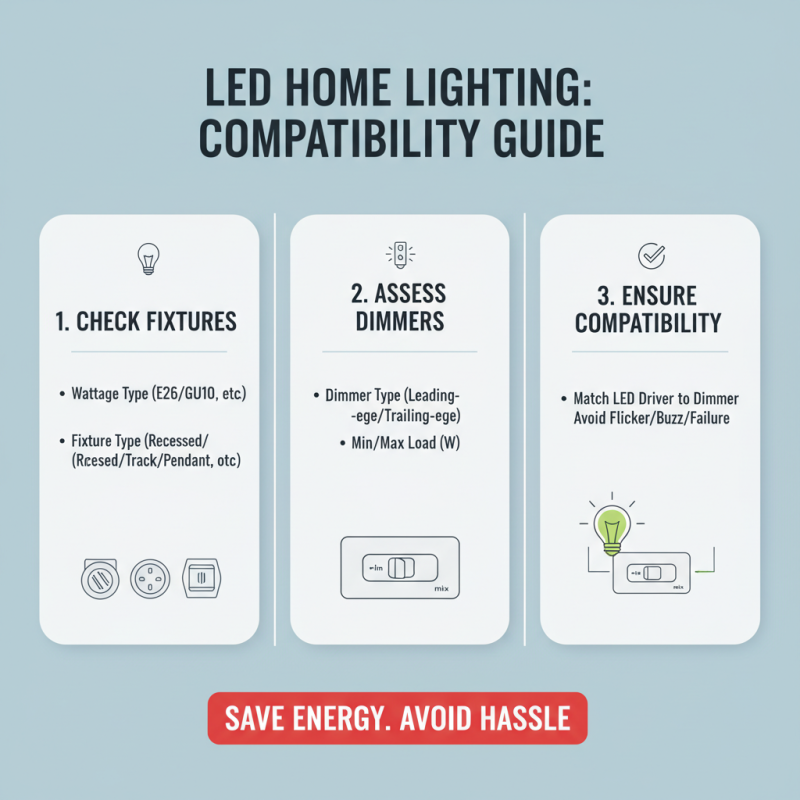
When selecting the right LED fitting for your home, compatibility with existing fixtures and dimmers is crucial. Not all LED bulbs work seamlessly with traditional fixtures and dimmer switches, which can lead to issues like flickering, buzzing, or complete failure to operate. Before making a purchase, take the time to assess your current setup. Check the wattage and type of your existing fittings, as well as the specifications of your dimmer switches, to ensure they are compatible with the LED technology you are considering.
Another important factor is the potential need for a compatible dimmer if you’re transitioning from incandescent or halogen bulbs. Many existing dimmers may not effectively handle the lower wattage of LEDs, resulting in performance issues. Upgrading to an LED-compatible dimmer can enhance the overall experience and efficiency of your lighting system. By paying close attention to these details, you can avoid common pitfalls of LED lighting and enjoy a consistent and energy-efficient home atmosphere.