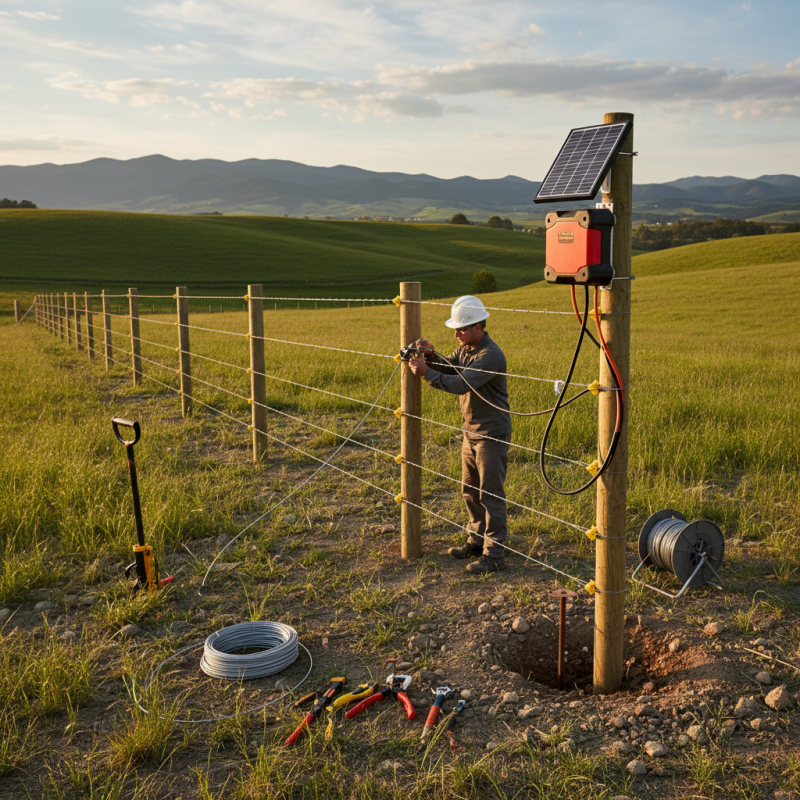
How to Install a High Voltage Output Electric Fence?
Installing a high voltage output electric fence can be a daunting task. Many consider it essential for protecting property and livestock. According to industry expert Dr. John Parker, "A properly installed electric fence can be a game-changer for security." His insights emphasize the importance of correct installation.
Electric fences operate by delivering a mild electrical shock. This discourages animals from crossing boundaries. To achieve this, careful planning and execution are vital. Choosing the right materials and ensuring safety measures are in place cannot be overstated.
However, it's essential to acknowledge the complexities involved. Mistakes during installation could lead to ineffective fencing or safety hazards. Reflecting on past projects can highlight areas for improvement. A thoughtful approach can make the difference between a successful fence and one that falls short.
Understanding High Voltage Electric Fence Systems and Their Applications
High voltage electric fence systems offer reliable solutions for livestock management and property protection. They can create a psychological barrier, deterring unwanted intruders while safeguarding valuable assets. Research indicates that high voltage systems can manage larger areas more efficiently than traditional fencing. According to industry reports, these systems contribute to a 25% reduction in livestock losses.
Understanding the technology behind these fences is crucial. High voltage fences typically operate between 3,000 to 10,000 volts. This voltage level is enough to deter animals without causing permanent harm. However, the high voltage aspect can lead to confusion. Misunderstandings about safe installation can pose risks to both users and animals. Regular maintenance is essential to ensure continuous effectiveness and safety.
The applications of these systems extend beyond agriculture. Many commercial properties are turning to high voltage solutions for security. Despite their sturdiness, installation mistakes could render the fence ineffective. Additionally, there is a learning curve for new users. They must understand how to operate and maintain their systems properly. Investing time in education can save future headaches.
How to Install a High Voltage Output Electric Fence? - Understanding High Voltage Electric Fence Systems and Their Applications
| Component | Description | Typical Voltage Output (kV) | Application |
| Energizer | Device that transforms low voltage into high voltage to power the fence | 2.0 - 10.0 kV | Livestock containment, security |
| Insulators | Materials that prevent electrical current from grounding out | N/A | Supports the wires, ensuring they remain charged |
| Fence Wires | Conductors that carry the high voltage current | N/A | Animal containment, intrusion deterrent |
| Grounding System | System of rods and wires that allows electrical current to ground | N/A | Ensures effective operation of the energizer |
| Warning Signs | Signs indicating the presence of an electric fence | N/A | Public safety measure |
Calculating the Required Voltage and Current for Effective Installation
When installing a high voltage output electric fence, calculating the required voltage and current is crucial. The voltage must be sufficient to deter animals, yet safe for them. A general rule is to aim for at least 6,000 volts. However, higher voltage may be needed for larger, more aggressive animals.
To determine the current, consider the length of the fence and the type of posts used. A longer fence may require more power to maintain consistent voltage across its length. Voltage drop can occur over distance, so it’s okay to adjust the output accordingly. If the setup feels complicated, working with a basic circuit diagram can help visualize the flow of electricity.
While the calculations seem straightforward, installation can be tricky. Grounding is essential for safety and functionality. Make sure to test the system after installation. A weak spark may signal insufficient grounding or a fault in the system. Adjustments may be needed, so be prepared for trial and error. It’s not uncommon for first attempts to feel off. Learning from these experiences can lead to a more effective setup.
Essential Tools and Materials for Installing a High Voltage Electric Fence
When installing a high voltage output electric fence, having the right tools and materials is crucial. Essential tools include a post driver, wire cutters, and a voltage tester. These items ensure that the installation is efficient and safe. The post driver allows for easy installation of fence posts, which are typically made of wood or metal. According to industry data, around 70% of successful installations depend on using quality posts that withstand weather and pressure.
Material selection is just as vital. High-tensile wire is favored for its strength and durability. It can handle up to 2,000 pounds of tension, making it suitable for high voltage fences. Insulators are also necessary to prevent energy loss. A solid insulator can reduce energy leakage by approximately 50%, enhancing the fence's effectiveness. Some users overlook the importance of proper insulators, leading to reduced fence performance.
After installation, regular checks are critical. Many installations fail because of poor maintenance. Broken wires or faulty insulators can lower the output voltage unexpectedly. It's essential to perform routine voltage tests to ensure the fence operates effectively. An alarming statistic from a recent report indicates that improper maintenance leads to a 30% increase in fence failures.
Electric Fence Voltage Levels by Type
This chart illustrates different voltage levels commonly used in electric fences, helping to understand the capabilities and applications of various electrical setups.
Step-by-Step Installation Process for a High Voltage Electric Fence
Installing a high voltage output electric fence can be a rewarding project. Begin by gathering necessary materials like insulators, fence posts, and wires. Choose a location that requires protection. Make sure to plan the layout carefully.
Next, install the posts securely in the ground. Use a post-hole digger for deep placement. The spacing between posts should be consistent. Then, attach the insulators to the posts. These will prevent electricity from grounding out. It’s crucial to ensure that you don’t miss this step. A small error here can lead to ineffective fencing.
Tips: Always wear insulated gloves during installation. Safety is paramount when dealing with high voltage. Check local regulations to ensure compliance. If you're unsure about any step, seek professional advice. Electric fences can be dangerous if not set up correctly. Pay attention during each phase of installation. Mistakes can lead to increased costs or even damage.
Finally, connect the wires and energize the system. Inspect everything once more before activation. Double-check for any loose connections. An overlooked detail could compromise the entire fence. Regular maintenance is also important. This will help ensure the electric fence remains effective.
Safety Procedures and Maintenance Tips for High Voltage Electric Fences
When installing a high voltage electric fence, safety is the top priority.
Wear protective gear to avoid accidental shocks. Insulated gloves are essential while handling wires. Ensure that the fence layout is clear of any obstacles. Check the installation area for underground utilities. This step is crucial to prevent hazards during installation. Use warning signs to alert others about the fence. Visibility can help prevent accidents.
Regular maintenance is key to ensuring your electric fence operates effectively. Inspect the wires and insulators often for wear and damage. Grass and weeds can interfere with the fence's integrity. Keep the area around the fence clear.
Adjust tension in the wires to avoid sagging. If the fence isn't performing well, troubleshoot the power source. Sometimes, a simple connection issue can cause problems. Document any maintenance performed. This habit can help track repairs over time. Always reflect on what could be improved during inspections.