Bright Led Lighting Tips for Better Energy Efficiency?
When it comes to energy efficiency, "Bright Led" lighting presents a significant opportunity for improvement. According to John Smith, a leading expert in sustainable lighting solutions, "Switching to Bright Led lighting can slash energy costs while enhancing overall ambiance." This statement reflects a growing trend that merges both economic and environmental benefits.
Bright Led technology not only uses less energy but also boasts a longer lifespan than traditional bulbs. This means fewer replacements and reduced waste, contributing to a more sustainable future. However, many consumers still struggle with the initial costs and finding suitable options for their needs. The journey to energy efficiency is not as straightforward as it seems.
Light quality and color temperature play crucial roles in creating desirable environments. For instance, some people prefer warmer tones for relaxation, while others choose cooler ones for productivity. Understanding personal preferences is vital. Despite the advantages of Bright Led, challenges in adaptation remain. Balancing cost, quality, and efficiency requires thoughtful consideration.
Understanding LED Lighting and Energy Efficiency
LED lighting has revolutionized how we think about energy efficiency. According to the U.S. Department of Energy, switching to LED bulbs can save you up to 75% on energy costs. Traditional incandescent bulbs convert only 10% of the energy they use into light. In contrast, LED lights are designed to utilize about 90% of their power for illumination. This means brighter lighting at a fraction of the energy, but many still overlook the importance of choosing the right bulbs for their needs.
Understanding lumens is crucial for effective lighting. Lumens measure brightness, while watts measure energy consumption. A common misconception is that higher watts mean brighter light. In reality, a 10-watt LED can emit the same lumens as a 60-watt incandescent lamp. This clarity is vital for consumers aiming to maximize their energy efficiency. Furthermore, poor quality LED products can lead to flickering or early burnout, undermining their efficiency.
Lighting design also plays a pivotal role in energy use. Many underestimate how positioning and color temperature affect overall energy consumption. For example, warm white lights are often more inviting and can reduce the need for additional lighting during evening hours. Often overlooked, the impact of strategic lighting design can help cut energy costs further. Making informed choices about LEDs can lead to substantial financial savings and energy conservation in the long run.
Benefits of Using LED Lights for Sustainability
LED lights are making waves in sustainability. Research shows that LED lighting can reduce energy consumption by up to 75% compared to traditional incandescent bulbs. This efficiency translates into fewer carbon emissions, which is vital for combating climate change. A report from the U.S. Department of Energy highlights that widespread LED adoption could save the country about $30 billion in energy costs by 2027.
The longevity of LED lights also contributes to their sustainability. Many LEDs last up to 25,000 hours or more, drastically reducing waste. However, the disposal of these lights can be problematic if not handled properly. LEDs contain small amounts of hazardous materials, which means they require careful recycling processes. Communities must prioritize creating proper machinery and systems to manage LED waste effectively.
Despite the clear benefits, some challenges persist. Not everyone is aware of LEDs' advantages or the importance of proper disposal methods. Education and outreach are crucial in promoting the full potential of LED lighting. As society moves toward greener alternatives, there’s a pressing need for continuous improvement in how we adopt and manage energy-efficient technologies. Each step can lead to a more sustainable future.
Energy Savings from LED Lighting Compared to Traditional Bulbs
Essential Tips for Choosing Energy-Efficient LED Bulbs
When considering energy-efficient LED bulbs, several essential factors come into play. The U.S. Department of Energy emphasizes that LED lighting can be up to 75% more efficient than traditional incandescent bulbs. This statistic highlights the potential for significant savings on energy bills. For instance, replacing a 60-watt incandescent bulb with a 10-watt LED can reduce energy usage substantially while providing the same level of brightness.
Choosing the right lumens is crucial. Lumens measure brightness, while watts measure energy consumption. Many consumers still equate wattage with brightness. However, a 100-watt equivalent LED bulb only uses about 16 watts. This shift in understanding can impact choices. Pay attention to color temperature too; warm white (2700K-3000K) can enhance comfort, while cool white (4000K-5000K) is often suited for workspaces.
It's important to consider the lifecycle of bulbs. While LEDs may have a higher upfront cost, their longevity—rated for around 25,000 hours—often justifies the initial expense. Energy Star-rated LEDs can ensure quality and efficiency. However, not all bulbs are created equal. Some cheaper options may flicker or fail prematurely. Researching LED specifications allows for informed decisions. As LED technology evolves, staying updated on advancements is necessary for maximizing efficiency.
Best Practices for Installing LED Lighting in Your Home
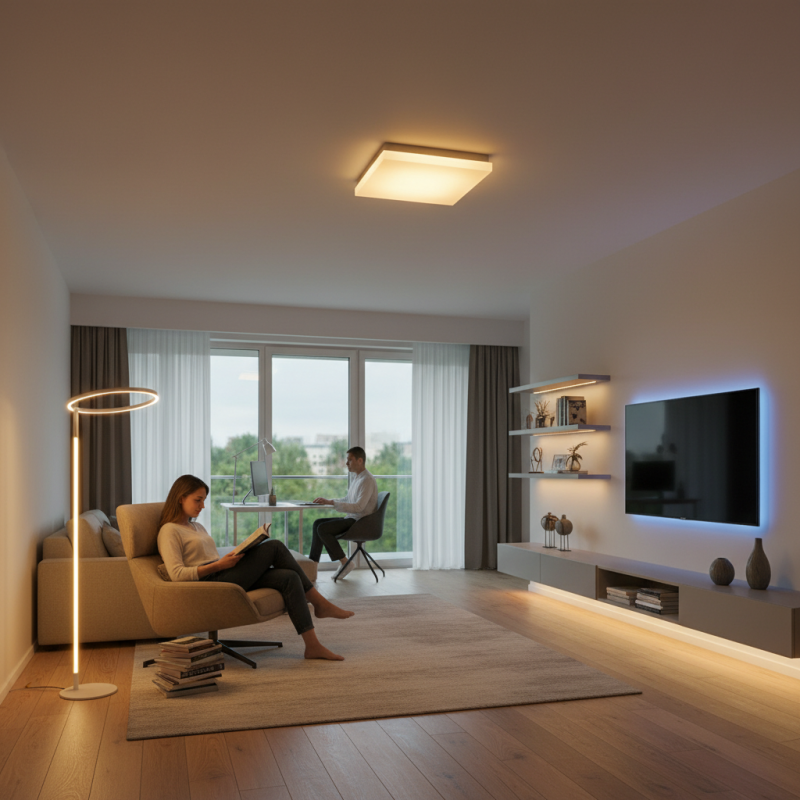
When installing LED lighting in your home, placement is key. Consider where you want to focus light. For example,
under cabinets in the kitchen or above your reading nook enhance functionality. A well-lit space can significantly improve
the atmosphere. However, striking the right balance between brightness and energy efficiency can be tricky. Too much light can lead to discomfort.
Pay attention to the color temperature of your LEDs. Warmer tones create a cozy feel, while cooler shades promote alertness.
Mixing different temperatures within a space can yield a more dynamic result. However, it's essential to test how these temperatures interact in your home. Sometimes
what looks good in a store might not suit your living room.
Don’t forget about dimmers and smart controls. They offer flexibility and energy savings. Yet,
compatibility issues can arise with some fixtures. It's worth researching to ensure everything works seamlessly together. Keeping a record of which bulbs perform best can help
refine your choices in the future. Documenting your experience fosters a pathway to better lighting decisions down the line.
Maximizing Energy Savings with Smart LED Technology
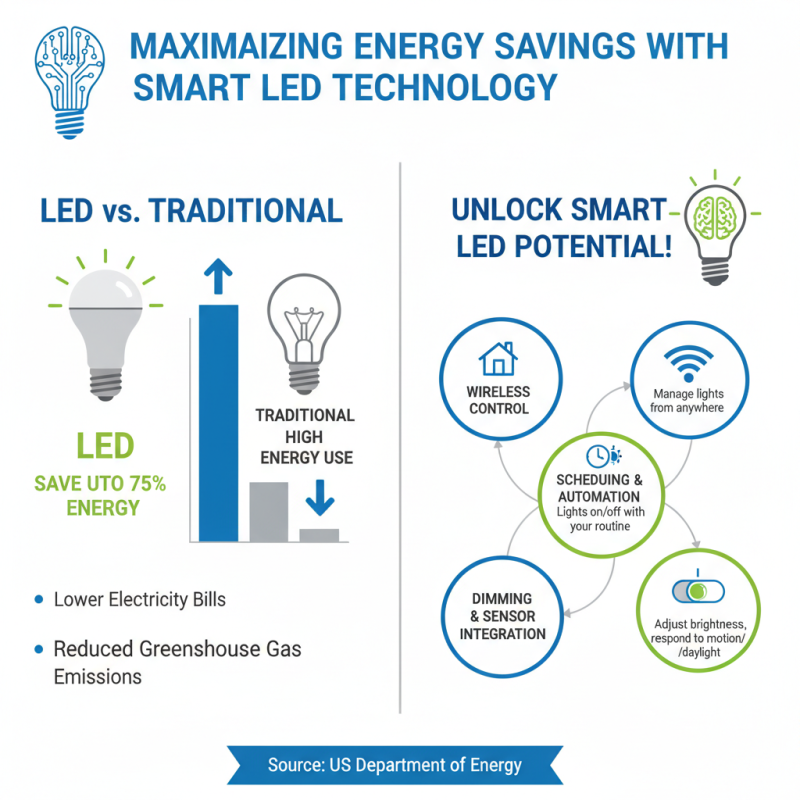
LED lighting technology has transformed energy efficiency in homes and businesses. According to the U.S. Department of Energy, switching to LED bulbs can save up to 75% more energy than traditional incandescent bulbs. This significant reduction in energy consumption not only lowers electricity bills but also reduces greenhouse gas emissions. Interestingly, many users still overlook the full potential of smart LED systems, which provide advanced features for energy savings.
Smart LED lighting integrates with home automation systems. This technology allows users to schedule lights, adjust brightness, and control them remotely. A recent survey indicated that homes with smart lighting can save an additional 20% on energy costs compared to standard LED setups. This is particularly impactful as buildings account for nearly 40% of the total energy consumption in the U.S. The potential for improvement is immense, especially in older buildings that still rely on outdated lighting systems.
While smart LED technology is effective, it requires user engagement to maximize savings. Many individuals may install smart systems but fail to utilize their full capabilities. Without setting schedules or taking advantage of automation, energy savings diminish. Regular maintenance of lighting systems also plays a crucial role. Dust and dirt accumulation can reduce efficiency and light output, leading to greater power usage and the need for premature replacements. Addressing these factors effectively can significantly enhance energy efficiency and savings.