Understanding the Sand Molding Process and Its Benefits?
The sand molding process is a vital technique in metal casting. It involves shaping sand around a pattern to create molds for molten metal. This method has been used for centuries, demonstrating its effectiveness and adaptability. The quality of the final product relies heavily on the precision of the mold.
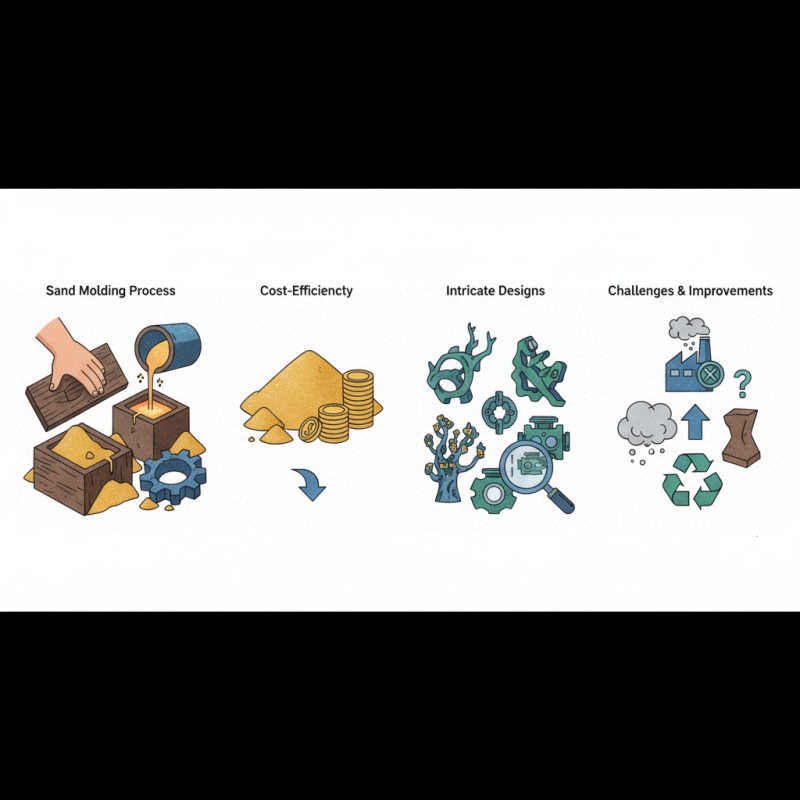
One notable benefit of the sand molding process is its cost-efficiency. Sand is widely available and relatively inexpensive. This makes it an attractive option for many manufacturers. Furthermore, the process allows for intricate designs that can meet diverse industry needs. However, achieving the right balance between mold strength and detail can be challenging.
Moreover, while the sand molding process offers significant advantages, it is not without flaws. Dust and environmental concerns often arise during the process. Additionally, the molds may not always produce perfect replicas. Manufacturers must continuously reflect on ways to improve efficiency and minimize waste. Despite these challenges, the sand molding process remains a crucial aspect of modern manufacturing.
Overview of the Sand Molding Process in Metal Casting
The sand molding process is a key technique in metal casting. It involves creating molds from sand, a material that’s abundant and cost-effective. The process starts with mixing sand and a binding agent, often clay. This mixture is then packed around a pattern to form the mold. The pattern reflects the desired shape of the final metal object. This part requires precision to ensure the final product meets specifications.
Once the sand mold is ready, molten metal is poured into it. The heat of the metal causes the sand to solidify slightly, creating a strong mold structure. One challenge in this process is achieving the right consistency of the sand mixture. If too dry, it may crumble; if too wet, it could fail to hold its shape. After the metal cools and hardens, the mold is broken away, revealing the casting.
Despite its benefits, the sand molding process has limitations. Sand molds may not capture intricate details as precisely as other materials. This can lead to imperfections in the finished product. The process also generates waste, both in unused sand and in the need for post-casting machining. These factors highlight areas for potential improvement in efficiency and quality.
Key Materials Used in Sand Molding: Types and Properties
Sand molding is a popular casting method. It uses sand as a primary material to create molds. The main component of sand molds is silica sand. This type of sand is known for its high melting point and durability. Other additives, like clay, help bind the sand grains together.
Tip: Choosing the right type of sand can affect the final product. Test different mixtures to find the best one for your specific needs.
Another crucial material is the binder. Common binders include clay and resin. Clay provides excellent strength but may be less versatile. Resin-bound sands offer better surface finishes but can be pricier. Understanding these properties is essential for effective molding.
Tip: Experiment with different binder ratios. A small change can make a big difference in mold quality.
Mold release agents are also important. They prevent molds from sticking to the cast material. Without them, you may face challenges when removing finished products. This step can often get overlooked, leading to imperfect casts. Always remember to include this in your process.
Understanding the Sand Molding Process and Its Benefits
Step-by-Step Procedure of Creating Sand Molds
Creating sand molds is a fascinating process. It begins with selecting the right type of sand. This sand must have good cohesion and fine particles. Mixing it with water and a binding agent helps in achieving the perfect consistency. Too much water can make it soggy, while too little can lead to weak molds.
Once the sand is ready, the next step involves shaping it around a pattern. This pattern can be made of metal or wood. As you press the sand around it, ensure there are no air pockets. Air pockets can compromise the mold's integrity, leading to defects in the final product. Patience is key here. Uneven pressure can cause imperfections.
After the sand has set, it's time to remove the pattern. This requires delicacy; rushing can damage the mold. Sometimes, the mold may crack during this process. When this happens, it’s essential to learn and adjust for the next attempt. Finally, the mold is ready for pouring metal or other materials. This step is crucial. A well-made sand mold can significantly improve the quality of the final casting.
Advantages of Sand Molding Compared to Other Casting Methods
Sand molding is a popular process in casting. It uses sand as the primary material for molds. This technique offers several advantages over other casting methods. One key benefit is flexibility. Sand molds can be easily shaped and reused. This adaptability allows for quick adjustments to design changes. It is easier to create complex geometries with sand than with some metal molds.
Another advantage is the cost-effectiveness of sand molding. The materials are relatively inexpensive compared to others. This makes it a viable option for both large and small production runs. Additionally, sand molding can impact lead times positively. The setup for sand molds is faster than for permanent molds. With less time for production, businesses can meet market demands swiftly.
Tip: When using sand molding, consider the type of sand carefully. Different sands can influence the final product's quality. Experimenting with various mixtures can yield better results. Keep in mind that not every mold will be perfect. Small imperfections can occur. It is essential to continually evaluate and refine the process to improve outcomes.
Applications of Sand Molding in Modern Manufacturing
Sand molding is a process widely used in modern manufacturing. It involves forming a mold from sand to create metal castings. This method is versatile and adaptable, making it suitable for various industries. Its applications range from automotive and aerospace to artistic sculptures. The ability to shape complex geometries is one of its strongest features.
In the automotive sector, sand molding produces engine blocks and transmission cases. These components require high precision and strength. The process can create intricate designs that meet stringent performance standards. However, there are challenges. Sand quality can significantly affect the final product. Variations in moisture content may lead to defects. At times, manufacturers may rush, resulting in overlooked details.
Aerospace applications benefit from sand molding as well. Components must withstand extreme conditions. The mold's integrity is crucial for these high-performance parts. Yet, sometimes, companies struggle with consistency. Fluctuations in production processes can lead to variability. Continuous improvement efforts are essential. Addressing these issues enhances quality and reliability. Sand molding remains a vital part of modern manufacturing.