China Top 10 Industrial LED Flood Lights Suppliers
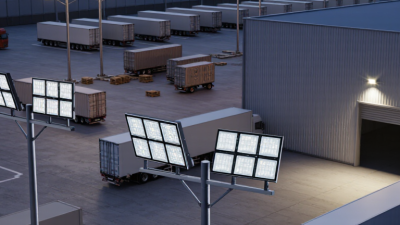
China Top 10 Industrial LED Flood Lights Suppliers introduces manufacturers serving factories, warehouses, ports, construction sites, and outdoor production areas. Industrial Led Flood Lights must deliver more than strong brightness. They should provide stable illumination, efficient heat control, weather resistance, and dependable operation during long working hours.
Dr. Mariana Figueiro, a respected lighting researcher, has stated, “Light is a powerful biological stimulus.” This observation matters in industrial environments. Poor lighting can hide surface damage, warning labels, moving equipment, or uneven flooring. A suitable flood light should create clear visibility without harsh glare. It should also maintain consistent performance beside dust, vibration, rain, and temperature changes.
This guide examines ten Chinese suppliers through practical purchasing criteria. These include LED chip quality, optical design, housing materials, ingress protection, thermal management, certifications, customization, warranty support, and production experience. A reliable supplier should provide photometric data, testing records, and clear installation guidance. Factory images alone prove little.
Some suppliers may offer impressive specifications but limited after-sales support. Others may provide low prices with uncertain component consistency. That is an uncomfortable reality. Therefore, buyers should request samples and test them at actual mounting heights. A light that performs well in a showroom may disappoint across a 30-meter warehouse ceiling.
The ranking is useful, but it is not absolute. Project conditions change the result. Voltage, beam angle, mounting position, climate, and maintenance access all influence the final choice. Readers should compare evidence carefully before selecting Industrial Led Flood Lights for critical facilities.
What Industrial LED Flood Lights Are and Why China Is a Major Supplier
China Top 10 Industrial LED Flood Lights Suppliers
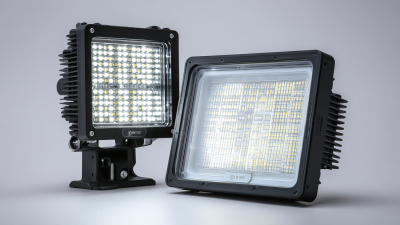
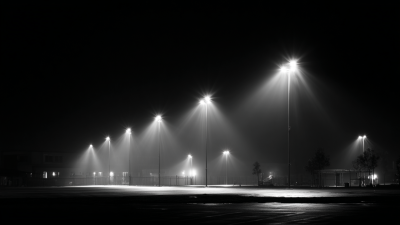
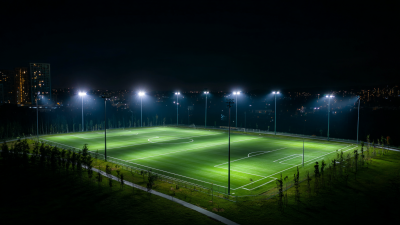
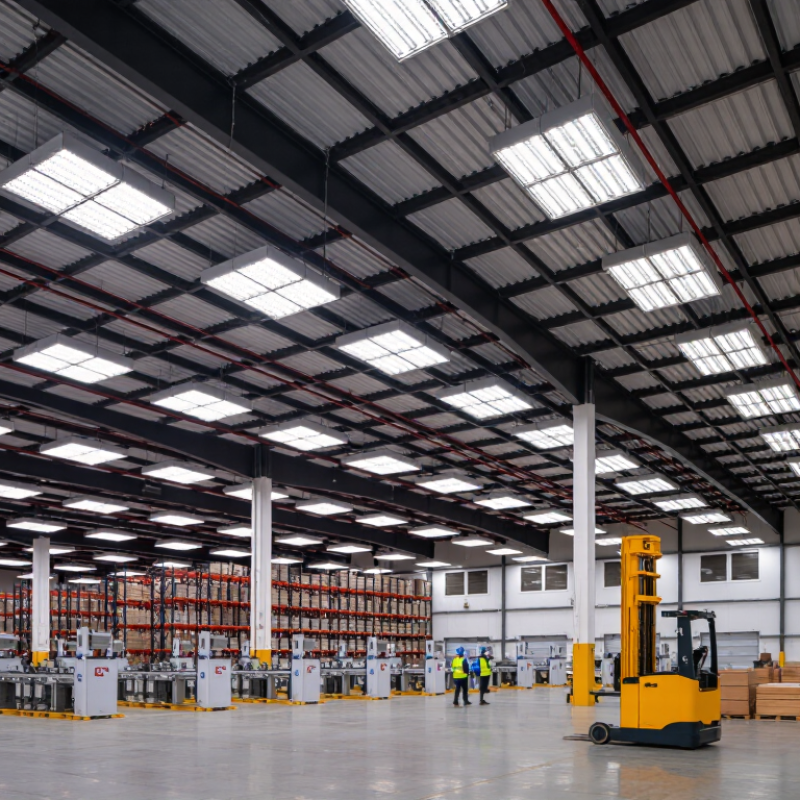
Industrial LED flood lights are high-output fixtures designed for large, demanding spaces. They illuminate warehouses, loading yards, factories, ports, roads, and sports grounds. Unlike household lights, they need stronger heat management, wider optics, and durable housings. Common specifications include wattage, lumen output, color temperature, beam angle, IP rating, and impact resistance. Poorly matched optics can create dark areas, glare, and wasted energy.
China is a major supplier because its lighting industry has a broad manufacturing network. Component makers, metal fabricators, driver producers, and testing facilities often operate within connected regions. This structure supports competitive pricing and flexible customization. Suppliers can adjust mounting brackets, lens designs, cable lengths, and control systems for different projects. Reliable exporters should provide photometric files, test reports, warranty terms, and clear production samples. Yet factory scale alone proves nothing. Quality may vary between batches, and attractive prices can hide weaker drivers or poor sealing.
Tips:
Confirm the real lumen output, not only the wattage. Ask for temperature testing and waterproofing evidence. Check whether the beam pattern suits your mounting height. A site survey is useful, even for a small project. Buyers sometimes focus on price and overlook maintenance access. That mistake can become expensive. Compare several suppliers, inspect sample construction, and verify documents before ordering. Pay attention to screws, cable glands, fins, and lens clarity. Small details often reveal long-term reliability.
How to Evaluate China’s Industrial LED Flood Light Manufacturers
Evaluating China’s industrial LED flood light manufacturers requires more than comparing prices. Start with factory evidence, not catalog promises. Request a recent production video, sample records, and a physical audit when volumes justify travel. Check whether the facility controls LED assembly, driver integration, thermal testing, and final inspection. Ask for evidence. A capable manufacturer should explain lumen maintenance, color consistency, surge protection, and IP or IK ratings in measurable terms. Vague answers deserve caution, even when the sample looks bright.
Technical documents reveal more than polished photographs. Review independent photometric reports, electrical safety test results, and stated operating temperatures. Confirm the test conditions, because a claimed lifetime can change sharply at high ambient heat. Examine the heat sink, cable glands, lens sealing, and mounting bracket on an actual sample. Details matter. Request samples from normal production, not specially prepared units. Compare beam distribution in a warehouse or yard; excessive glare can reduce practical visibility and create maintenance complaints.
Reliability also depends on communication after shipment. Evaluate warranty terms, spare-driver availability, inspection procedures, and response times before signing a contract. A supplier should identify component changes and keep traceable batch records. Verify compliance documents for the destination market through credible laboratories or certification databases. Do not accept copied certificates without checking model numbers. An assessment may remain incomplete if it relies on one sample; seasonal production and subcontracting can alter results. That uncomfortable possibility is why staged orders and independent inspections remain useful.
Profiles of China’s Top 10 Industrial LED Flood Light Suppliers
China Top 10 Industrial LED Flood Lights Suppliers
These profiles examine ten Chinese industrial LED flood light suppliers through manufacturing depth, testing discipline, and project experience. Each supplier is assessed for power ranges, thermal design, optical control, and export support. Typical products span 50W to 1,000W, with outputs often reaching 130–180 lumens per watt. Real performance varies.
The U.S. Department of Energy’s Solid-State Lighting reports emphasize efficacy, thermal management, and reliable controls as key development priorities. These factors guide the comparison. Strong suppliers provide LM-80 and TM-21 evidence, IES files, surge protection details, and documented lumen maintenance. Independent laboratories can also verify IP66 sealing, IK08 impact resistance, and electrical safety under IEC 60598 requirements. Factory audits matter more than attractive catalog figures.
The profiles also consider die-casting capacity, automated assembly, driver sourcing, and after-sales response. Some manufacturers offer narrow beams for yards, while others design asymmetric optics for warehouses and ports. Several appear technically capable, yet their public testing evidence remains incomplete. That weakness deserves attention. A long warranty alone proves little without thermal data and replacement procedures. Buyers should request sample testing, photometric files, and site references before approving volume orders. Small details matter.
Key Product Features, Certifications, and Customization Services
China’s top industrial LED flood-light suppliers should be judged beyond lumen claims. The International Energy Agency reports that lighting uses about 15% of global electricity consumption. Efficient floodlights therefore need verified performance, not attractive packaging. Look for LM-80 data, TM-21 projections, measured efficacy, and an L70 lifetime rating. A supplier should also provide IEC 60598 test reports, CE or other market-required approvals, RoHS declarations, and an ISO 9001 quality system. Certification logos alone are not enough.
Product design reveals practical competence. Reliable units commonly use IP66 or IP67 protection, IK08 or higher impact resistance, aluminum heat sinks, and surge protection suited to local grids. Optical choices matter too. Narrow beams suit yards and tall structures, while wide beams reduce dark patches around warehouses. Controls may include 0–10V, DALI, photocells, motion sensors, or smart gateways. The U.S. Department of Energy’s solid-state lighting reports continue to identify efficacy, thermal control, and connected lighting as major development priorities.
Customization separates capable suppliers from catalog traders. Ask for adjustable brackets, cable lengths, color temperatures, beam angles, paint finishes, and mounting patterns. OEM and ODM support should include photometric files, thermal simulations, sample testing, and clear revision records. In practical audits, a bright sample can still fail after months of heat exposure. This is often overlooked. Confirm salt-spray results, driver sourcing, warranty limits, and replacement procedures before ordering. Minor details can become major operating costs.