

Industrial Lighting is entering 2026 with higher expectations for efficiency, visibility, safety, and operational control. Warehouses, factories, workshops, and distribution centers need more than bright fixtures. They need dependable light in demanding environments. A poorly selected fixture can create glare, dark aisles, maintenance delays, and unnecessary energy costs.
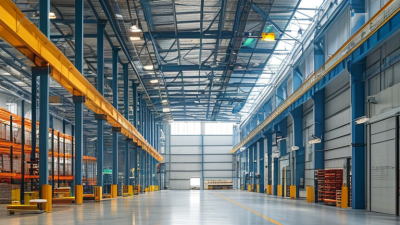
This guide examines the top types of Industrial Lighting expected to shape modern facilities. High-bay LED fixtures remain essential for warehouses with ceilings above 20 feet. Linear high bays provide even coverage across long production lines. Area lights and floodlights support loading docks, yards, and outdoor work zones. Low-bay fixtures suit shorter ceilings, while task lighting improves precision around machinery and inspection benches. Smart lighting systems add occupancy sensors, daylight controls, and remote monitoring.
Real-world conditions matter. A cold-storage facility may need fixtures rated for low temperatures. A dusty workshop requires suitable ingress protection. A production floor with moving equipment needs carefully controlled glare. Experienced lighting designers often review mounting height, beam angle, color rendering, emergency needs, and maintenance access before recommending products. Photometric calculations should support the decision, not replace practical site knowledge.
There is no universal winner.
Even efficient LEDs can disappoint when installed without proper spacing or controls. That is an important limitation. Reliable decisions should combine manufacturer data, professional design review, worker feedback, and applicable local electrical requirements. The following overview compares the leading fixture types, their strongest applications, and the compromises facility managers should consider in 2026.
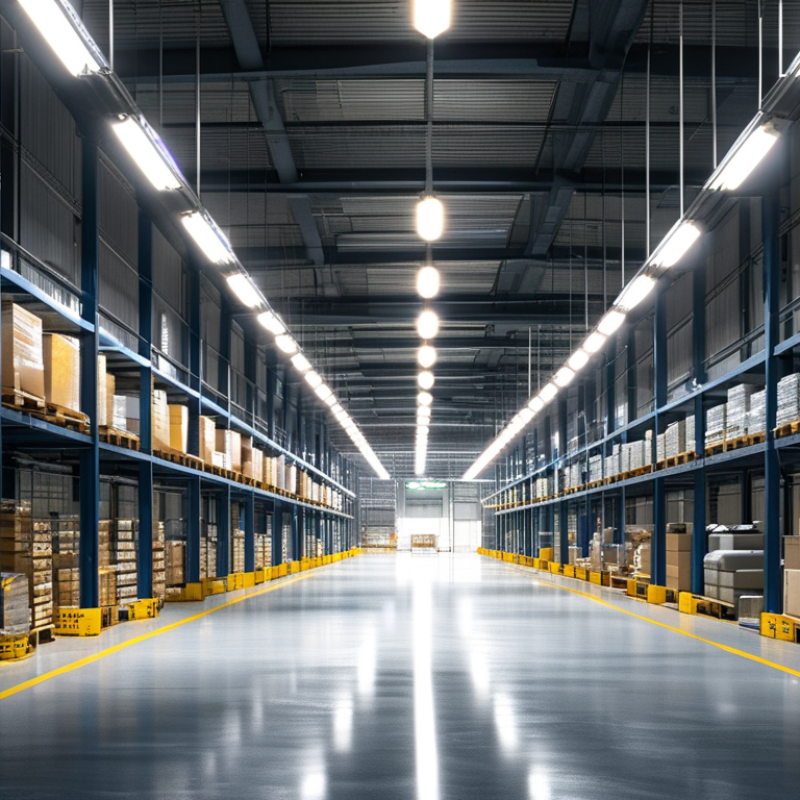
Industrial lighting in 2026 is best classified by mounting height and visual task, not fixture shape alone. Low-bay systems usually serve ceilings below 20 feet. They suit workshops, packing areas, and maintenance rooms. Broad beams reduce dark patches across machinery. High-bay systems typically serve 20- to 45-foot ceilings. Narrow optics concentrate light on aisles and production lines. Very tall spaces may need tighter optical control. Otherwise, light is wasted above workers.
Task changes the specification. General production needs uniform horizontal illumination. Inspection benches need stronger, glare-controlled light on small surfaces. Loading docks need vertical visibility for labels, edges, and vehicle movement. Floodlighting supports yards and façades, while sealed luminaires suit dusty or wet areas. IES RP-7-20 emphasizes application-based industrial lighting design. The U.S. Department of Energy identifies high-efficacy LEDs and connected controls as major energy-saving opportunities. The IEA’s Energy Efficiency 2023 report estimates that lighting uses about 15% of global electricity. That figure needs caution because regional methods differ.
Tips: Measure mounting height, task lux, glare, and surface reflectance before choosing optics. Check maintained light levels, not only initial readings. A perfect calculation can still fail when dust lowers output. Sensors may also misread forklift movement. Review the results after installation. Real buildings are less tidy than drawings.
| Lighting Type | Typical Mounting Height | Primary Industrial Task | Typical Applications | Recommended Illuminance* | Key Selection Factors |
|---|---|---|---|---|---|
| High-Bay Lighting | Above 6 m (20 ft) | General area lighting at high mounting points | Warehouses, manufacturing halls, distribution centers, aircraft hangars | 100–300 lux for storage and circulation; 300–750 lux for production | Beam angle, glare control, uniformity, maintenance access, ceiling height |
| Low-Bay Lighting | Up to 6 m (20 ft) | General lighting for lower industrial ceilings | Workshops, service areas, small factories, utility rooms | 200–500 lux for routine industrial work | Wide distribution, low glare, ceiling structure, operating temperature |
| Linear High-Bay Lighting | Approximately 6–15 m (20–50 ft) | Continuous illumination over long aisles and production lines | Racking aisles, assembly lines, logistics centers, process areas | 150–500 lux, depending on storage or production requirements | Row spacing, aisle optics, continuous-row layout, visual comfort |
| Vapor-Tight Lighting | Typically 2–8 m (6.5–26 ft) | General and task lighting in wet, dusty, or washdown areas | Food-processing zones, cold rooms, parking structures, wastewater facilities | 150–500 lux, based on hygiene and task requirements | Ingress protection, chemical resistance, cleanability, impact resistance |
| Hazardous-Location Lighting | Approximately 2–12 m (6.5–40 ft) | Safe illumination where flammable gas, vapor, dust, or fibers may be present | Chemical plants, refineries, grain handling, paint facilities, fuel-processing areas | 150–500 lux, subject to process and inspection tasks | Area classification, certification, temperature class, enclosure integrity |
| Floodlight and Area Lighting | Approximately 4–30 m (13–100 ft) | Wide-area illumination for outdoor movement, security, and operations | Loading yards, ports, rail terminals, storage yards, construction and mining sites | 5–50 lux for circulation; 50–200 lux for loading and handling tasks | Spill light, glare, wind loading, weather resistance, pole spacing |
| Machine- and Task-Specific Lighting | 0.5–3 m (1.6–10 ft) from the work surface | Detailed inspection, assembly, measurement, and precision work | Machine tools, quality-control stations, electronics assembly, repair benches | 500–1,500 lux for detailed or precision tasks | Color rendering, shadow control, flicker, adjustability, local glare |
| Emergency and Egress Lighting | Approximately 2–10 m (6.5–33 ft) | Maintaining safe evacuation routes during power loss | Factories, warehouses, stairways, corridors, plant exits, control rooms | Commonly designed around 1 lux minimum along escape routes, subject to local codes | Battery duration, testing, visibility, code compliance, route uniformity |
*Illuminance ranges are practical planning values. Final lighting levels should be verified against the specific industrial task, applicable safety standards, room reflectance, mounting geometry, and local regulations.
Industrial lighting in 2026 is shifting toward LED high-bay fixtures, especially in warehouses, factories, and distribution centers. Their optical design directs light onto aisles and work surfaces, reducing wasted illumination near ceilings. The U.S. Department of Energy reports that LED lighting can use 75% less energy and last up to 25 times longer than incandescent technology.
That figure is useful, but it needs careful interpretation. High-bay replacements usually compare against metal-halide or fluorescent systems, not incandescent lamps. Actual savings depend on mounting height, operating hours, lumen output, and control settings. A 150-watt LED fixture may replace a much larger legacy unit, but poor spacing can create dark patches. Small details matter.
The Department of Energy’s Solid-State Lighting research also links LED adoption with improved efficacy and lower maintenance demand. The International Energy Agency identifies efficient lighting and controls as important tools for reducing building electricity consumption. Occupancy sensors, daylight dimming, and scheduling can increase savings further. However, controls often fail when workers find them confusing. Simpler settings may perform better.
Facility managers should measure existing illumination before selecting replacements. Record fixture wattage, daily runtime, maintenance costs, and light levels at task height. Payback calculations should include installation labor and disposal costs. The 25-times-longer life claim is compelling, yet heat, dust, vibration, and driver quality can shorten service life. Marketing numbers are not field results.
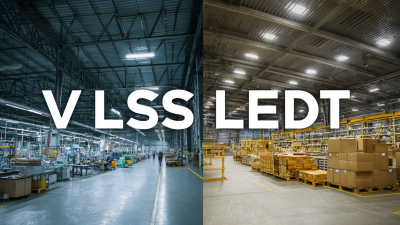
LED high-bay fixtures use approximately 75% less energy and provide up to 25 times the service life of conventional industrial lighting, based on the comparison stated in the title.
Index: conventional industrial lighting = 100 for energy use and 1× for service life.
In 2026, low-bay and linear LED fixtures remain practical choices for work areas below 20 feet. They distribute light across benches, aisles, and equipment without requiring high-output high-bay systems. That distinction matters. During site assessments, I check mounting height, ceiling color, task detail, and existing shadows. A 12-foot ceiling over a packing line needs a different layout from a 19-foot storage area. Fixture spacing must support even illumination, not just bright spots.
Linear LEDs suit long workstations and narrow aisles because their shape follows the working area. Low-bay fixtures offer flexible coverage in open rooms with moderate ceiling heights. Choose light output through measured illumination targets, task requirements, and local safety standards. Color rendering also deserves attention. Higher color accuracy can help workers identify labels, wiring, surface defects, and product colors. Neutral white light often feels clear, but comfort depends on the room and users. Glare is easily underestimated.
Occupancy sensors can reduce wasted operating hours, especially in irregularly used zones. Dimming controls may improve comfort near windows or skylights. In dusty or damp spaces, sealed housings and suitable protection ratings are important. Maintenance access matters too; a difficult fixture can increase labor costs later. One common mistake is selecting fixtures by wattage alone. I have seen bright installations still produce dark corners because spacing was too wide. That lesson is easy to miss. Actual measurements, worker feedback, and a review after installation can reveal problems that a design drawing cannot.
Smart industrial lighting is moving beyond efficient fixtures. Occupancy sensors now detect movement in aisles, loading zones, and storage rooms. They can reduce operating hours when spaces are empty. However, sensors may miss slow workers or react to passing equipment. Placement still requires practical testing.
Dimming adds another control layer. A warehouse near skylights can lower fixture output during bright afternoons. Energy monitoring then records circuit-level consumption, revealing unusual patterns and wasted electricity. The U.S. Department of Energy reports that LED lighting uses at least 75% less energy than incandescent lighting and can last up to 25 times longer. The International Energy Agency also identifies efficient lighting and digital controls as important energy-saving opportunities. Yet, savings depend on commissioning, maintenance, and worker acceptance.
Tips:
Map occupancy before installing sensors. Set gradual dimming changes, not sudden drops. Review energy data weekly. Compare real usage with production schedules. Keep manual overrides available for safety and unusual tasks. A low-cost sensor is not automatically a smart solution. This is where many projects become disappointing. Measurements should guide adjustments, not merely decorate a dashboard.
Sources: U.S. Department of Energy, Energy Saver; International Energy Agency, Energy Efficiency reports.
Hazardous-location lighting requires more than high brightness and rugged housing. In 2026, engineers increasingly specify IECEx, ATEX, and IP-rated protection together. IECEx certification supports international conformity for equipment used in explosive atmospheres. ATEX certification applies to products placed on the European Union market. Both systems assess ignition risks, equipment groups, temperature classes, and hazardous zones.
IP ratings address different hazards. An IP66 enclosure resists dust ingress and powerful water jets. It does not prove explosion protection. Zone 0, 1, and 2 cover gas risks, while Zones 20, 21, and 22 cover combustible dust.
The fixture must match the zone, gas or dust group, and maximum surface temperature. Small errors matter. A wrong temperature class can create a serious ignition risk.
The International Energy Agency’s Energy Efficiency 2023 report estimates that lighting consumes about 15% of global electricity. The U.S. Department of Energy’s 2023 Solid-State Lighting R&D Opportunities report notes that advanced LED packages can exceed 150 lumens per watt in controlled conditions. Efficient hazardous-area luminaires can reduce heat and maintenance demand, but field results vary. Dust layers, voltage fluctuations, and poor aiming often reduce real performance.
Maintenance teams should verify certificates, cable glands, mounting orientation, emergency lighting, and inspection intervals. A compliant product can still fail when installation records are incomplete. That uncomfortable detail deserves more attention.
Let us help you get started with our superior LED lighting products.
Get all the latest news from BrightLED.
Copyright © Bright LED. All rights reserved.
STAY CONNECTED