What Are LED Lighting Solutions?
What Are LED Lighting Solutions? They are engineered lighting systems built around light-emitting diodes, not simply replacement bulbs. These systems may include lamps, fixtures, drivers, sensors, controls, and installation services. Together, they deliver usable light with better control and often lower energy consumption than older technologies.
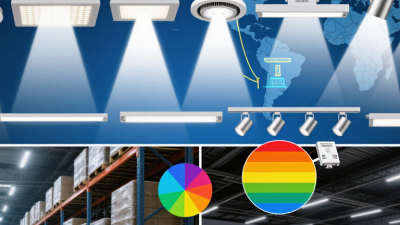
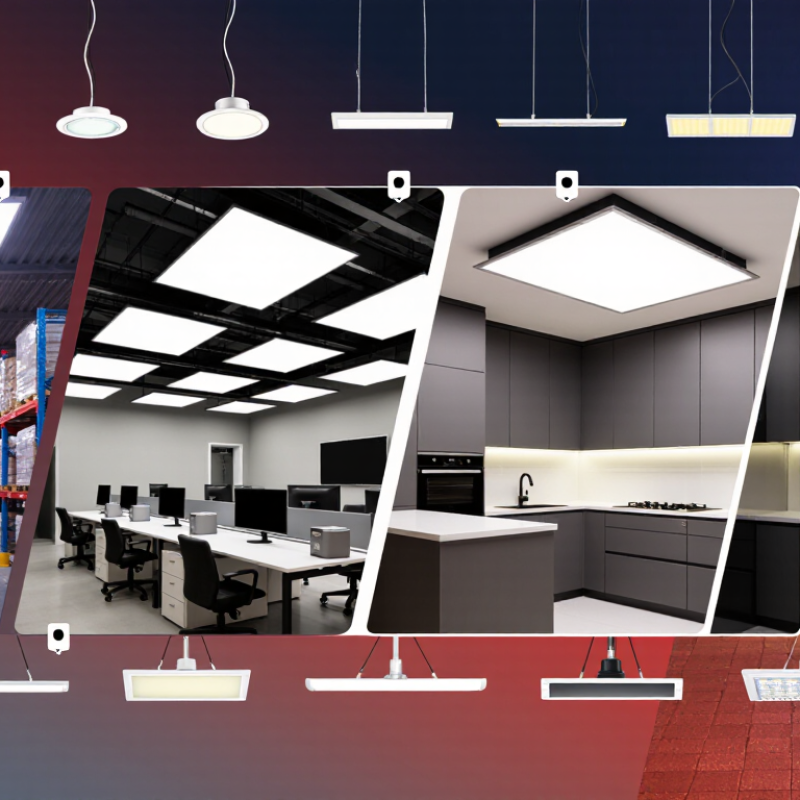
Led Lighting Solutions can serve homes, offices, warehouses, retail spaces, streets, and industrial facilities. A practical design considers brightness, color temperature, color rendering, glare, mounting height, and operating hours. For example, a warehouse may need high-bay fixtures, motion sensors, and a sealed housing against dust. A kitchen may need neutral white light above work surfaces. Small choices matter.
Reliable planning starts with the space, not the product catalogue. Qualified professionals can review electrical conditions, lighting levels, heat management, and local safety requirements. Product documentation should identify lumen output, wattage, rated life, ingress protection, and warranty terms. Independent testing and recognized certification can add confidence, but labels still deserve careful reading.
LED is not automatically the best answer. Poor drivers, excessive brightness, or weak installation can create flicker and discomfort. A low-cost fixture may also become expensive when maintenance is difficult. Real-world performance depends on design quality and daily use. The most dependable solution balances visual comfort, efficiency, durability, and future service needs. Sometimes, the honest answer is simpler: improve the layout before adding more light.
Definition and Core Principles of LED Lighting Solutions
What Are LED Lighting Solutions?
Definition and Core Principles of LED Lighting Solutions
LED lighting solutions use light-emitting diodes to convert electrical energy into visible light. Unlike traditional lamps, LEDs produce light through semiconductor materials. A driver regulates current before it reaches the diode. This control supports stable operation and reduces unnecessary energy loss. The result is usually lower power consumption, longer service life, and faster switching.
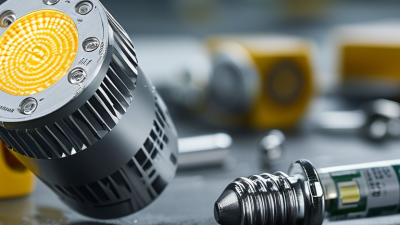
A complete solution includes more than an LED module. It may contain lenses, heat sinks, drivers, sensors, and control systems. Thermal management matters because excessive heat can reduce brightness and shorten component life. Color temperature affects atmosphere, while color rendering affects how accurately surfaces appear. For offices, measured glare and uniformity deserve attention. A bright ceiling is not automatically a comfortable ceiling.
In practical site checks, reliable specifications should state wattage, lumen output, beam angle, color rendering, rated life, and operating temperature. Testing these details under real conditions can reveal differences between the brochure and the room. A technically efficient fitting may still create harsh reflections on a polished desk. Small errors matter. Poor dimming can cause flicker, and an oversized fixture can waste energy. Good LED design balances visual comfort, electrical performance, maintenance access, and the actual needs of the space. There is no perfect setting. Even careful planning may require adjustment after installation.
What Are LED Lighting Solutions?
LED lighting solutions use semiconductor diodes to convert electrical energy directly into light. Their core principles include high luminous efficacy, directional light distribution, long service life, controllable brightness, and reduced energy consumption.
The chart compares the typical electrical power needed to produce approximately 800 lumens, a common brightness level for a household lamp. Lower wattage indicates higher energy efficiency. Standard reference values are approximately 60 W for incandescent lighting, 14 W for compact fluorescent lighting, and 9 W for LED lighting.
How LED Lighting Solutions Operate
What Are LED Lighting Solutions?
How LED Lighting Solutions Operate
LED lighting solutions create light through a semiconductor junction. When electrical current passes through it, electrons release energy as visible light. This process produces less heat than traditional filament lighting, although heat still matters.
A driver regulates the incoming electricity before it reaches the LED module. In many buildings, the supply is alternating current, while the LED requires controlled direct current. The driver manages voltage, limits current, and supports stable brightness. Poor regulation can cause flicker, buzzing, or early failure.
The fixture’s heat sink moves heat away from the semiconductor. Its lens or reflector then directs light toward a desk, hallway, road, or display surface. Sensors may adjust output when daylight changes or people leave a room. Dimming systems work only when the driver and control method match.
I have seen efficient fixtures perform badly after careless installation. Dust, trapped heat, and incorrect wiring can reduce their practical value. Efficiency is not only a product specification. It depends on room design, operating hours, maintenance, and control settings.
Small details matter. A cool fixture often lasts longer. A suitable beam angle prevents harsh glare. Yet no solution fits every space, and that point deserves more attention.
Benefits and Limitations of LED Lighting
What Are LED Lighting Solutions?
Benefits and Limitations of LED Lighting
LED lighting solutions use semiconductor devices to convert electricity into visible light. Unlike older bulbs, LEDs need no heated filament. This design usually delivers more light with less energy and produces less waste heat. In a kitchen, a 10-watt LED can provide clear task lighting while using far less power than an incandescent bulb.
The benefits are practical. LEDs often last for many years, reducing replacement work in high ceilings and busy offices. Their small size also supports recessed fixtures, strip lighting, and adjustable color temperatures. I have found that warm white light feels comfortable in bedrooms, while cooler light helps reveal details in workshops. Dimming can improve comfort, but only when the fixture and control system are compatible.
Limitations still deserve attention.
Quality varies widely, and low-cost products may flicker, fade, or fail early. Some lamps create harsh glare when placed directly above eye level. Color quality can also disappoint, especially where accurate paint, food, or fabric colors matter. LEDs usually cost more at purchase, even though energy savings may repay that difference over time. Their electronic drivers can fail before the light-emitting components do. That detail is easy to overlook.
Not every LED is efficient in practice. A poorly designed fixture may trap heat and shorten its life. Outdoor installations need suitable weather protection. Recycling rules also differ by location, so discarded units should not automatically enter ordinary waste. Careful testing remains worthwhile.