

Made in Britain
BrightLEDBrightLED
MENUMENU
  • Home
  • Products
  • Projects
  • About
  • Blog
  • Contact
Blog
Best Industrial Lamps for Factories and Warehouses in 2026

Best Industrial Lamps for Factories and Warehouses in 2026

Industrial Lamps shape how clearly people work, move, and inspect equipment across factories and warehouses. In 2026, choosing them involves more than comparing wattage or advertised brightness. Fixture height, aisle width, ceiling structure, dust, moisture, temperature, and operating hours all affect performance. A light that works well over a packing line may leave dark patches between tall storage racks.

This guide examines practical options, including high-bay and low-bay LED fixtures, linear systems, and task lighting. It explains how lumen output, beam angle, color rendering, and color temperature influence visibility. We also consider durability ratings, controls, glare, flicker, installation access, and maintenance. Details matter. A narrow beam can create bright floors and shadowed shelves; a poor layout can waste energy even when each lamp is efficient.

There is no single best fixture for every building. Product specifications should be checked against site conditions, and lighting plans may need review by a qualified professional. Measurements on a datasheet do not always predict how a space will feel during a full shift. That uncertainty deserves attention. The recommendations ahead are intended to help facility managers compare options, ask better questions, and identify trade-offs before investing. Local requirements and manufacturer guidance should also be verified for each project.
Best Industrial Lamps for Factories and Warehouses in 2026
Table of Contents [Hide]
1 Industrial Lamp Types Used in Factories and Warehouses
2 Key Lighting Technologies and Performance Measures in 2026
3 How to Match Industrial Lamps to Facility Tasks and Layouts
4 Installation, Controls, and Energy Management for Industrial Lighting
5 Safety Standards, Maintenance, and Lamp Replacement Planning

Industrial Lamp Types Used in Factories and Warehouses

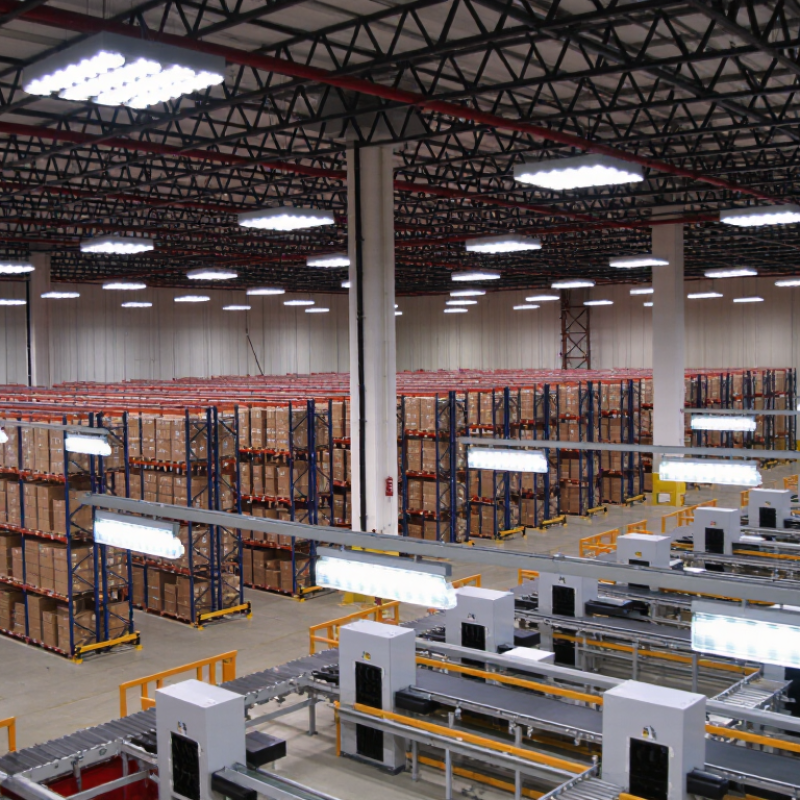
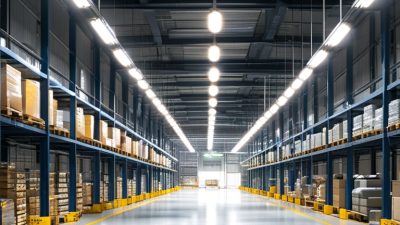
Factories and warehouses use several industrial lamp types because ceiling height, dust, moisture, and task detail vary. High-bay fixtures suit tall production halls and storage aisles, where broad downward light helps reveal labels and floor markings. Low-bay fixtures serve lower ceilings, often reducing harsh glare near workstations. Linear fixtures spread light along assembly lines and packing benches. Vapor-tight fixtures protect lamps from dust and damp cleaning conditions. They are not a cure-all; placement still matters.

The U.S. Department of Energy’s 2022 Energy Savings Forecast of Solid-State Lighting projects 569 terawatt-hours of annual U.S. electricity savings by 2035 from LED adoption, compared with a no-LED baseline. That forecast covers general illumination, not just industrial sites, so it should not be read as a factory-specific saving. LED high bays, low bays, and sealed linear fixtures can be compared by light distribution, efficacy, and expected service life. Aisle optics may reduce wasted light on tall racks, while task lighting can sharpen detail at inspection points. Check for dark patches under conveyors. They happen. A fixture schedule based only on wattage can miss glare, shadows, or maintenance access; mock-ups in a representative bay often expose those problems before installation.
Industrial Lighting: Typical Maintained Illuminance Targets

Typical planning benchmarks range from about 100 lux for warehouse storage to 750 lux for very fine inspection work. Actual requirements depend on the task, site conditions, and applicable local standards.

Key Lighting Technologies and Performance Measures in 2026

In 2026, factory and warehouse lighting decisions depend on more than brightness. The International Energy Agency reports that lighting uses about 15% of global electricity. That figure covers many building types, not factories alone. Still, it shows why measured efficiency matters on long operating shifts.

Compare industrial luminaires by delivered lumens per watt, maintained illuminance, uniformity, glare, and service life. The U.S. Department of Energy notes that LEDs use at least 75% less energy than incandescent lighting, but that comparison does not predict savings against existing high-bay systems. Check actual fixture data and operating hours. Numbers need context. A dusty loading bay may also need different cleaning intervals than a dry assembly area.

Optics, controls, and thermal design shape real performance. Narrow beams can brighten tall racks but leave dark aisles; wide distributions may waste light above shelving. Occupancy sensors and daylight dimming can reduce runtime where activity or daylight changes. Verify sensor coverage at floor level, especially around moving equipment and tall storage. Color quality and low flicker matter during detailed inspection, though a high efficacy rating alone cannot guarantee visual comfort. Use IES industrial-lighting guidance alongside site measurements, and record readings after installation. A small discrepancy between the plan and the floor is common—and worth investigating.

How to Match Industrial Lamps to Facility Tasks and Layouts

Best Industrial Lamps for Factories and Warehouses in 2026

Matching industrial lamps to a facility starts with the work happening below them. High-bay fixtures suit tall storage aisles, while lower ceilings may need wider distribution to limit dark patches. In assembly areas, workers need steady, even light to inspect parts and read labels. Loading docks need clear visibility across vehicle paths and door thresholds. Brightness alone is not enough. Glare on polished floors or metal surfaces can make details harder to see.

Tips: Map work zones before choosing fixtures. Note ceiling height, rack locations, dust, moisture, and moving equipment. Compare beam patterns and check light levels against task requirements. Use a photometric plan when layouts are complex, then verify conditions on site. Dimming or occupancy controls can reduce unnecessary use, but sensor placement matters.

A common planning mistake is treating the whole building as one space. Aisles, workbenches, and storage bays have different needs. Even a careful plan can miss shadows from new racks or equipment; review the installation after operations begin. Choose fixtures rated for the environment, and confirm maintenance access is practical. A lamp that performs well on paper may be awkward to service above a busy production line.

Installation, Controls, and Energy Management for Industrial Lighting

Best Industrial Lamps for Factories and Warehouses in 2026

Industrial lighting performance depends on more than lamp efficiency. Mounting height, aisle width, dust, heat, and vibration all affect fixture choice and placement. In a warehouse, a narrow beam can brighten shelf faces but leave cross-aisles dim. A neat layout on paper can still produce uneven light. Check illumination at floor level and at work surfaces after installation.

Controls can reduce wasted operating hours. A Lawrence Berkeley National Laboratory review estimated occupancy sensors saved an average of about 24% of lighting energy across studied commercial applications; actual results vary by space and use. Use high-bay sensors with clear sightlines, then group fixtures by aisle or work zone. Daylight dimming near skylights can help, but poor calibration may cause distracting brightness changes. The U.S. Department of Energy notes that LEDs use at least 75% less energy than incandescent lighting; that comparison is useful context, not a direct guarantee against existing industrial fixtures.

Tips: Test sensor timing during real shifts, including forklift routes and quiet periods. Measure light levels before and after commissioning, and record fixture wattage and operating hours. Small detail, big difference. Recheck settings after racks move or production schedules change. Controls are easy to overlook. Don’t assume the first setup stays right.

Safety Standards, Maintenance, and Lamp Replacement Planning

In 2026, choosing industrial lamps means checking the work area, mounting height, dust, moisture, and operating hours. A dry packing line has different needs from a washdown bay or a high-bay storage aisle. Confirm that each fixture is rated for its environment and suitable for the site’s electrical system. Where dust or vapors may create a hazardous location, ask a qualified professional to assess the area before selecting equipment. Do not rely on appearance alone.

Safety checks should follow applicable electrical and building requirements, along with the facility’s maintenance procedures. Before cleaning or replacing a lamp, isolate power and verify that the circuit is de-energized. Look for cracked lenses, loose fittings, water marks, darkened surfaces, and flickering. These small clues can reveal heat, vibration, or moisture problems. Keep access routes clear, especially around lifts and overhead work. Small details matter.

Build a replacement plan from actual operating conditions, not just a calendar. Record fixture locations, installation dates, output requirements, and recurring failures. Keep compatible spares on hand for critical aisles, but avoid storing lamps that may no longer meet the task’s lighting needs. A calendar alone is not enough. Measure light levels at work surfaces after replacement, since a bright-looking fixture may still leave shadows on labels or machine controls. Review the plan when layouts, shifts, or processes change; facilities rarely stay exactly as designed.

Best Industrial Lamps for Factories and Warehouses in 2026 — Safety Standards, Maintenance, and Lamp Replacement Planning

Lamp / Fixture Type Best-Fit Area Selection Criteria Safety and Compliance Checks Maintenance and Replacement Plan
LED high-bay High-ceiling production floors, distribution centers, and tall storage aisles. Compare delivered lumens, distribution, glare control, dimming compatibility, and warranty. Match beam distribution to mounting height and rack layout; verify illuminance with a lighting plan. Use fixtures suitable for the ambient temperature, dust, moisture, and impact conditions. Confirm electrical installation meets applicable local code and that mounting hardware is secure. Inspect lenses, reflectors, suspension, and wiring during scheduled checks. Clean when dust or residue reduces useful light. Base group-replacement timing on measured light loss and the manufacturer’s rated maintenance data.
LED low-bay or linear industrial fixture Lower ceilings, assembly lines, workshops, and areas with closely spaced workstations. Choose a layout that provides even task lighting with limited shadows. Check color rendering and glare where workers inspect parts, read labels, or operate machinery. Protect fixtures from foreseeable impact, vibration, and contamination. Keep lights, guards, and access points clear of moving equipment and stored materials. Check for flicker, dimming faults, loose fasteners, and damaged lenses. Keep a record of failed drivers and fixtures to identify recurring electrical or environmental problems.
Sealed vapor-tight LED fixture Washdown rooms, food-processing support areas, damp locations, and dusty production spaces. Specify an enclosure rating appropriate to the actual exposure; an IP rating describes ingress protection and does not by itself establish suitability for every chemical or washdown method. Inspect gaskets, lens closures, cable entries, and mounting points after cleaning or maintenance. Follow the fixture maker’s cleaning instructions and applicable sanitation requirements. Clean with approved methods and inspect seals for cracking or loss of compression. Replace damaged enclosures promptly; moisture ingress can create shock and reliability risks.
Hazardous-location LED fixture Areas where flammable gases, vapors, combustible dust, or fibers may be present. Identify the area classification, material group, and temperature requirements before specifying equipment. Select a fixture listed or certified for the exact classified location and installation conditions. Follow the applicable electrical code, such as relevant provisions of NFPA 70 (NEC) in the United States, and the site’s hazardous-area procedures. Installation and repairs should be performed by qualified personnel. Use the site’s inspection schedule for classified equipment. Do not open or service a fixture in a hazardous area unless the required safe-work conditions are met; replace damaged seals or enclosures with approved parts.
Industrial LED floodlight Loading docks, exterior yards, building perimeters, and large indoor or outdoor work zones. Check beam angle, mounting position, glare, spill light, weather exposure, and controls. Aim fixtures to light the work area without creating unnecessary glare or light trespass. Confirm outdoor ratings, mounting strength, grounding, and surge protection as required by the installation. Inspect access equipment and isolate power before service. Clean optics as needed and check aiming, brackets, seals, and electrical connections. Replace units with persistent water entry, corrosion, or unstable output.
Emergency and egress lighting Exit routes, stairs, designated paths of egress, and areas requiring emergency illumination. Choose a system that meets applicable building and fire-code requirements for the site. Confirm coverage, backup power, and required operating duration with the authority having jurisdiction. Keep exit signs and emergency luminaires visible and unobstructed. Follow applicable inspection and test requirements; in the United States, OSHA egress provisions and local building and fire codes may apply. Document required functional tests and battery checks. Replace failed batteries or luminaires promptly and retest the system; do not treat normal lighting maintenance as a substitute for emergency-system testing.
LED retrofit lamp or retrofit kit Existing fixtures where a compatible retrofit is permitted and the enclosure remains suitable for the environment. Verify electrical compatibility, thermal conditions, dimming behavior, lamp orientation, and whether the retrofit changes the fixture’s original listing or certification. Use only a retrofit suitable for the specific fixture and application. Follow installation instructions, update labels where required, and have a qualified person assess any change to the electrical configuration. Track retrofit failures separately from complete-fixture failures. If overheating, repeated driver failure, or poor light distribution occurs, evaluate replacing the full fixture rather than repeating the retrofit.

Replacement-planning note: LED rated life is commonly expressed using lumen-maintenance metrics such as L70, which estimates the time until light output reaches 70% of its initial level under stated conditions; it is not a guarantee that every fixture will operate for that duration. Set replacement triggers using manufacturer data, operating hours, temperature, failure records, measured light levels, and the consequences of an outage. Applicable standards and code requirements vary by location and facility.

Related Posts

  • What Are the Top Types of Industrial Lighting in 2026?

    What Are the Top Types of Industrial Lighting in 2026?

  • Illuminating Tomorrow: The Evolution of Best Industrial Lighting in a Green Economy

    Illuminating Tomorrow: The Evolution of Best Industrial Lighting in a Green Economy

  • China Best Industrial Lighting Suppliers for Global Buyers?

    China Best Industrial Lighting Suppliers for Global Buyers?

  • How to Choose Commercial Industrial Lighting?

    How to Choose Commercial Industrial Lighting?

  • 5 Key Benefits of Upgrading Your Factory Lighting for Enhanced Productivity

    5 Key Benefits of Upgrading Your Factory Lighting for Enhanced Productivity

  • How to Choose the Right Industrial Lamps for Your Workspace

    How to Choose the Right Industrial Lamps for Your Workspace

Blog Tags:

  • industrial lighting
  • industrial LED lights
  • high bay LED lights
  • warehouse lighting
  • factory lighting
  • industrial lighting fixtures

Interested? Let's talk.

Talk to the Experts

Let us help you get started with our superior LED lighting products.

Call 01282 505400

Request a call

Email us

Join our newsletter

Get all the latest news from BrightLED.

See our product range

Can't find a product you're looking for? Get in touch!

View Range

Product Categories

  • 2D Style Fitting
  • LED Downlights
  • LED Flood Lights
  • Linear Lights
  • LED Industrial Lighting
  • Office Lighting
  • Retail LED Lighting
  • Emergency Lighting
  • LED Lamps
  • LED Tube Lighting
  • Recessed LED Light
  • Spot Light Series
  • IP65 & Non-corrosive Rating LED Fittings
  • View all products

Useful Links

  • Download/Resources
  • Privacy
  • Warranty Policy
  • Terms and Conditions

Company

  • About
  • Projects
  • Contact
  • Blog
  • Made in Britain
  • Samsung
  • Osram
  • Tridonic

Copyright © Bright LED. All rights reserved.

STAY CONNECTED

Top