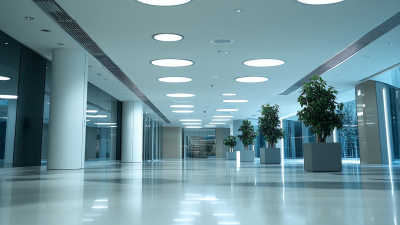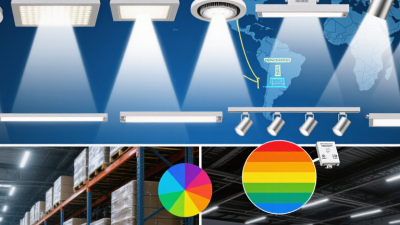


Choosing Led Lamps for global markets requires more than comparing wattage and purchase price. Buyers must examine lumens, efficacy, color rendering, color temperature, beam angle, voltage, heat management, and expected lifetime. A lamp that performs well in a cool warehouse may fail in a humid coastal shop. Small details matter. Socket type, driver quality, packaging, and spare-part access can change the total cost.
The International Energy Agency reports that LEDs use far less electricity than traditional lighting, while the U.S. Department of Energy notes that quality LED products can deliver roughly 75% energy savings and last many times longer than incandescent lamps. These figures are useful, but they are not universal promises. Performance depends on installation, operating temperature, driver stability, and testing methods. Buyers should request LM-79 photometric results, LM-80 lumen-maintenance data, power-factor figures, and transparent warranty terms. Independent certification also improves supplier credibility.
Dr. James R. Brodrick, a recognized U.S. Department of Energy lighting expert, has emphasized that “LED technology is continually improving.” That reminder deserves attention. Today’s highest efficacy product may not be the best long-term choice. A slightly less efficient lamp could offer stronger thermal design, better color consistency, and easier replacement. I have seen purchasing teams focus on unit price, then discover higher maintenance costs after installation. The sensible approach is comparative, documented, and practical. Global buyers should test samples under real conditions before approving large orders. Mistakes still happen. Good specifications simply make them less expensive.
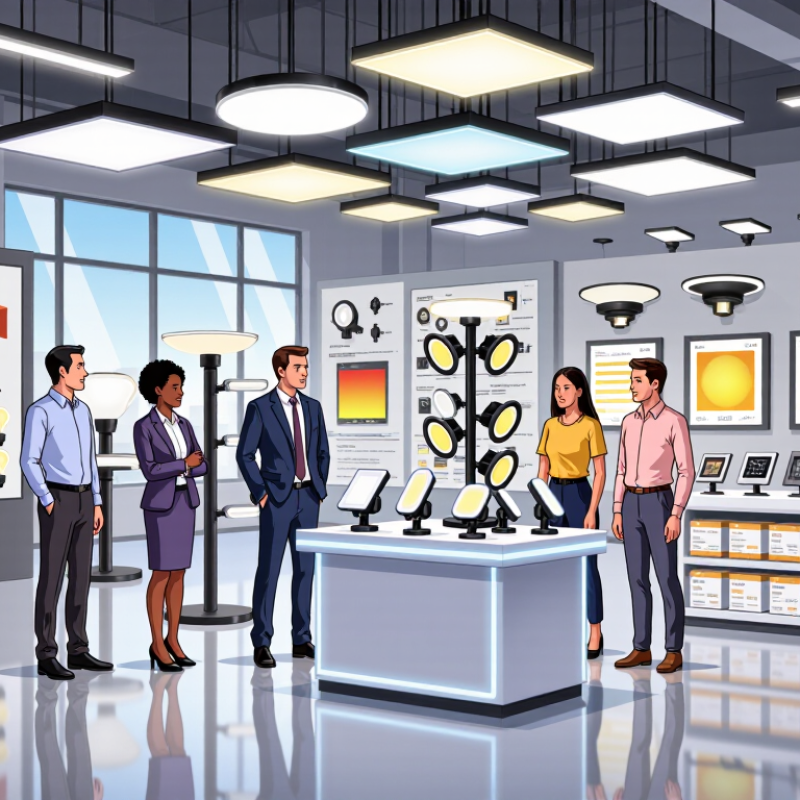
Choosing LED lamps for global buyers starts with the application, not the wattage. A warehouse aisle needs uniform lux levels and reliable operation at high mounting heights. A hotel lobby needs comfortable color quality, controlled glare, and a warmer atmosphere. Outdoor pathways require suitable IP protection, impact resistance, and stable performance across temperature changes. The International Energy Agency reports that lighting remains a major electricity end use worldwide. The U.S. Department of Energy states that residential LEDs use at least 75% less energy and can last up to 25 times longer than incandescent lamps. These figures matter, but only when the lamp fits the space.
Define the task clearly. Measure room size, mounting height, target illuminance, operating hours, and local voltage. Check correlated color temperature, color rendering index, beam angle, flicker, dimming compatibility, and power factor. A high lumen rating can still create dark corners or uncomfortable glare. This is where many purchasing plans fail. I have found that buyers often compare price before checking maintenance access and control systems. That approach looks efficient, but it can increase replacement work later. Regional standards and climate conditions also deserve review before shipment.
Tips: Create a simple application sheet for every area. Record lux targets, CCT preferences, IP requirements, daily operating hours, and control needs. Test one sample in the real environment. Small differences appear quickly. Reflect on the result before placing a large order.
| Application Scenario | Typical Lighting Need | Recommended Illuminance | Recommended Lamp Type | Power Range | Target Efficacy | Color Temperature | Color Rendering | Glare / Beam Guidance | Environmental Rating | Control Preference | Key Buying Priority |
|---|---|---|---|---|---|---|---|---|---|---|---|
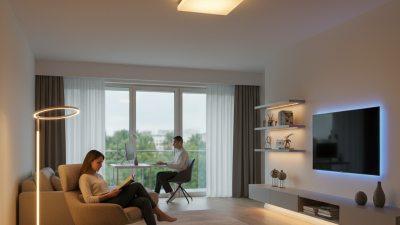
| Residential Living Room | Comfortable general lighting with flexible brightness for relaxation and social activities. | 100–200 lux | LED ceiling lamp, downlight, or dimmable panel | 12–30 W per fitting | 90–120 lm/W | 2700–3500 K | CRI ≥ 80; CRI ≥ 90 for premium interiors | Wide beam, approximately 90–120°; diffused lens preferred | IP20 for dry indoor areas | Dimming or scene control | Visual comfort, low flicker, quiet operation |
| Kitchen and Food Preparation | Clear visibility for food preparation, cleaning, and surface inspection. | 300–500 lux | LED linear fixture, under-cabinet lamp, or recessed downlight | 8–25 W per fitting | 100–130 lm/W | 3500–4000 K | CRI ≥ 90 recommended for accurate food colors | Medium to wide beam; low-shadow placement under cabinets | IP44 near sinks or splash-prone areas | Switching, dimming, or occupancy sensing | High color fidelity, easy cleaning, moisture protection |
| Office and Computer Workstation | Uniform task lighting that limits reflected glare and visual fatigue. | 300–500 lux | LED panel, linear office luminaire, or low-glare troffer | 25–45 W per fitting | 100–140 lm/W | 3500–4000 K | CRI ≥ 80; CRI ≥ 90 for design or graphics work | UGR < 19 for screen-based work; controlled 60–90° beam | IP20 for standard offices | DALI, 0–10 V, daylight harvesting, or presence control | Low glare, uniformity, maintenance access, controls compatibility |
| Retail and Showroom | Attractive product presentation with emphasis on color accuracy and visual hierarchy. | 500–1000 lux | LED track spotlight, adjustable downlight, or linear accent light | 15–45 W per fitting | 80–120 lm/W | 3000–4000 K | CRI ≥ 90; specialty products may require narrow spectral selections | 15–40° accent beam; 60–90° for general merchandise | IP20 indoors; IP44 for semi-outdoor areas | Dimming, track-based zoning, or scene control | Color consistency, beam precision, replaceable drivers |
| Warehouse and Logistics | Efficient, uniform illumination for aisles, storage racks, picking, and movement. | 100–300 lux | LED high-bay, linear high-bay, or aisle-specific fixture | 80–200 W per fitting | 130–180 lm/W | 4000–5000 K | CRI ≥ 80 | 60–120° beam; aisle optics may improve vertical illumination | IP54–IP65 depending on dust and cleaning conditions | Motion sensing, daylight dimming, or network control | High efficacy, long service life, low maintenance cost |
| Workshop and Industrial Task Area | Bright, stable light for assembly, inspection, tools, and manual production. | 300–750 lux | LED linear high-bay, industrial batten, or task luminaire | 30–150 W per fitting | 110–160 lm/W | 4000–5000 K | CRI ≥ 80; CRI ≥ 90 for inspection tasks | Controlled beam with reduced shadowing; UGR should be assessed by layout | IP54–IP65; higher protection for wash-down zones | 0–10 V, DALI, motion sensing, or emergency backup | Flicker control, thermal management, impact resistance |
| Outdoor Pathway and Parking Area | Safe pedestrian and vehicle movement with consistent night-time visibility. | 5–30 lux | LED bollard, wall pack, area light, or parking luminaire | 20–150 W per fitting | 100–150 lm/W | 3000–4000 K | CRI ≥ 70; CRI ≥ 80 where facial recognition is important | Asymmetric or forward-throw optics; minimize light spill | IP65–IP66; IK08 or higher where impact is possible | Photocell, astronomical timer, motion sensing, or smart control | Weather resistance, glare control, corrosion protection |
| Street and Roadway Lighting | Uniform road illumination with controlled glare and limited upward light. | Typical design values: 5–30 lux, subject to road classification | LED roadway luminaire with optical distribution | 40–250 W per fitting | 110–170 lm/W | 2700–4000 K | CRI ≥ 70; higher CRI may be selected for urban areas | Asymmetric road optics; verify uniformity and threshold increment | IP66; IK08–IK10 for exposed installations | Photocell, dimming profile, Zhaga/D4i, or wireless control | Optical distribution, surge protection, serviceability |
| Bathroom, Washroom, and Wet Area | Safe, shadow-reduced lighting for grooming, cleaning, and circulation. | 200–500 lux | LED bulkhead, sealed downlight, mirror light, or vanity fixture | 8–25 W per fitting | 90–120 lm/W | 3000–4000 K | CRI ≥ 80; CRI ≥ 90 for mirror and grooming applications | Wide diffused beam; low glare near mirrors | IP44 minimum in splash zones; IP65 where direct water exposure is expected | Switching, occupancy sensing, or timed control | Electrical safety, sealing quality, anti-fog compatibility |
| Cold Storage and Food Processing | Reliable illumination under low temperature, condensation, dust, and frequent cleaning. | 200–500 lux | Sealed LED linear fixture or vapor-tight luminaire | 25–100 W per fitting | 100–150 lm/W | 4000–5000 K | CRI ≥ 80 | Wide, uniform beam with impact-resistant diffuser | IP65–IP69K depending on wash-down requirements | Occupancy sensing or scheduled dimming | Temperature rating, gasket durability, food-area compliance |
| Selection note: Confirm the local supply voltage and frequency, mounting height, operating temperature, emergency-lighting requirements, photometric files, applicable electrical regulations, surge environment, warranty terms, and total cost of ownership before final purchase. Illuminance values are typical planning ranges; the final design should be verified through a site-specific lighting calculation. | |||||||||||